How to Find Trending Topics (The Complete Guide)
This guide is your playbook for spotting what matters early, so you can publish with confidence and stay one step ahead.

Staying relevant online starts with understanding what your audience cares about right now. For bloggers, marketers, and business owners, the real challenge is creating content that feels timely and worth sharing. But finding trending topics isn't just about chasing buzz. It's about spotting the questions people are asking and the ideas gaining momentum, and then tying them to content marketing automation tools that make it easier to scale.
In this guide, we'll walk through proven ways to discover trending topics. From Google's own toolbox to social communities, SEO platforms, and dedicated trend databases, you'll see where to look and how to separate noise from genuine opportunities. Whether you're exploring traditional research methods or leveraging AI in content creation, the key is knowing which tools give you the best insights.
This guide is your playbook for spotting what matters early, so you can publish with confidence and stay one step ahead.
How to Find Trending Topics using Google Ecosystem
Google's ecosystem is one of the richest sources for spotting trending topics. Also, most of these tools are free, which is amazing. The trick isn't just knowing which tool to open. The important part is also to understand how to read the signals and turn them into content ideas that resonate with your audience.
Let's walk through the essentials.
Google Search & Autocomplete
The simplest place to start is Google Search itself. Begin typing a keyword related to your niche, and notice the autocomplete suggestions that drop down. These are real searches people are entering right now, which means they can be a goldmine for emerging topics.
Besides that, pay attention to the People Also Ask boxes. And if you want to go even deeper, try adding search operators like quotation marks, "site", or "title". That way, you'll see how others are covering the topics, which will help you spot popular angles and content gaps you can fill.

Google Trends
Google Trends shows you the bigger picture: which search queries are rising in popularity, how interest changes over time, and where it's coming from geographically. Instead of relying on gut feeling, you can see if a topic is truly gaining momentum.
For example, you might compare "AI productivity tools" against "AI writing software" to see which one has more traction. If you notice a sharp spike, that's often a sign to jump in quickly before the space gets too crowded.
Here's a quick workflow:
enter a broad keyword (e.g. "remote work")
adjust the time range (the last 30 days often shows rising trends)
check related queries → look for "Breakout" labels (fastest-growing searches).
Google Analytics & Search Console
Your own site's data is one of the most underused trend finders. In Google Analytics, look at the Site Search or Landing Pages reports to see which content already attracts attention. If an older article suddenly gets more traffic, it might reflect a broader trend.
Compared to Analytics, Google Search Console offers an even sharper view of rising queries. If you see keywords with a recent rise in impressions but a low click-through rate, that's a perfect opportunity. You already have visibility; now you just need fresh content that better answers what people are looking for.
YouTube
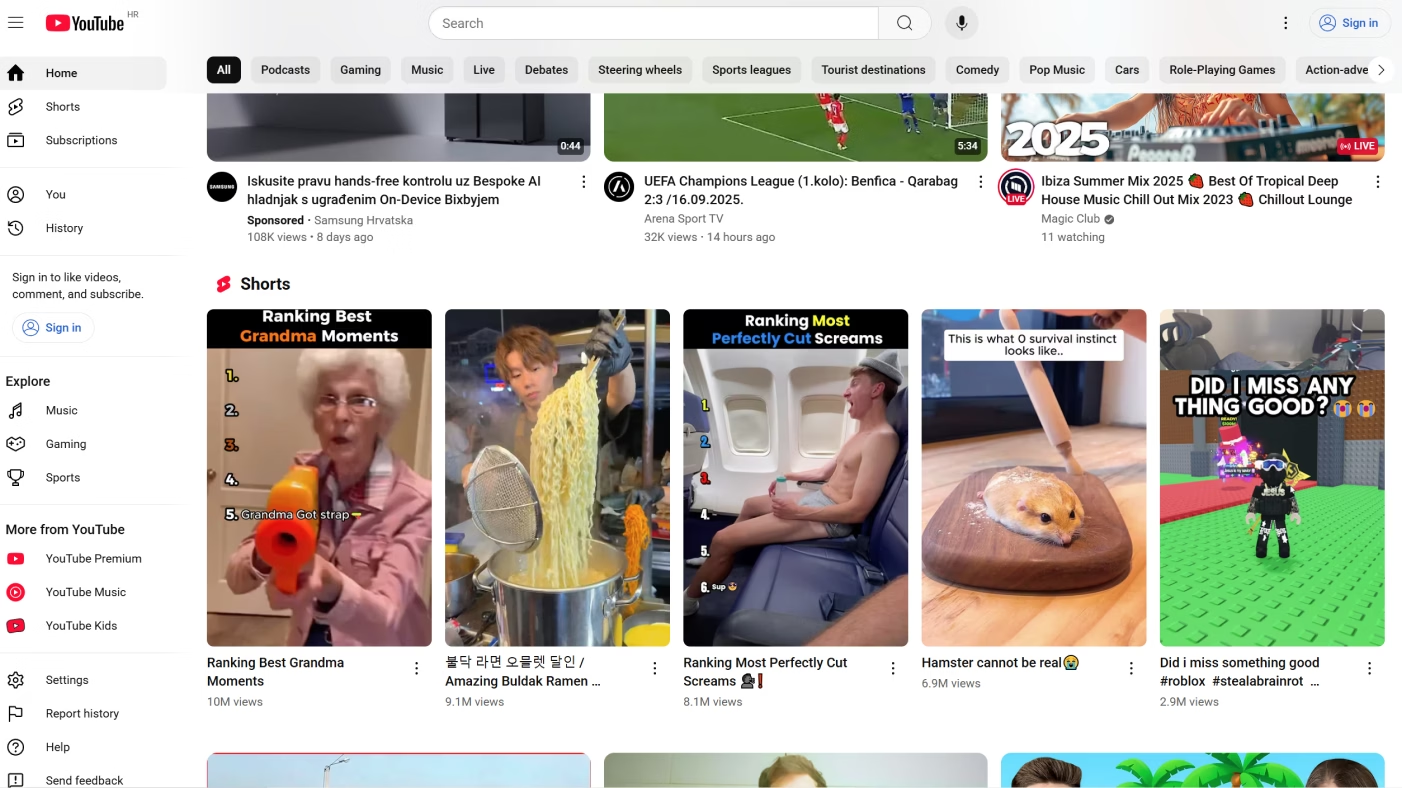
Since YouTube is part of Google, it makes sense to treat it as a search engine in its own right. Browse the Trending page or start typing into the search bar to see what autocomplete reveals. Moreover, short-form content (especially in YouTube Shorts) often reflects what people are buzzing about that week.
Google News, Discover & Alerts
News is the fastest way to catch stories on the rise. In Google News, search your topic and filter by "Past 24 hours" or "Past week" to see what's breaking. Google Discover (on mobile) can also tip you off about what Google believes is relevant to people with interests like yours.
If you don't want to manually check, set up Google Alerts with your chosen keywords, and you'll get emails whenever new stories pop up.
Keyword Planner & Think with Google
Finally, Google's advertising tools provide insights most people overlook. Keyword Planner isn't just for PPC; it also shows you rising search volumes and seasonal patterns. Combine that with Think with Google: Rising Retail, and you'll see how consumer behavior is shifting in real time. This is especially useful if you're writing about lifestyle, ecommerce, or B2C niches.
Recommend Studio
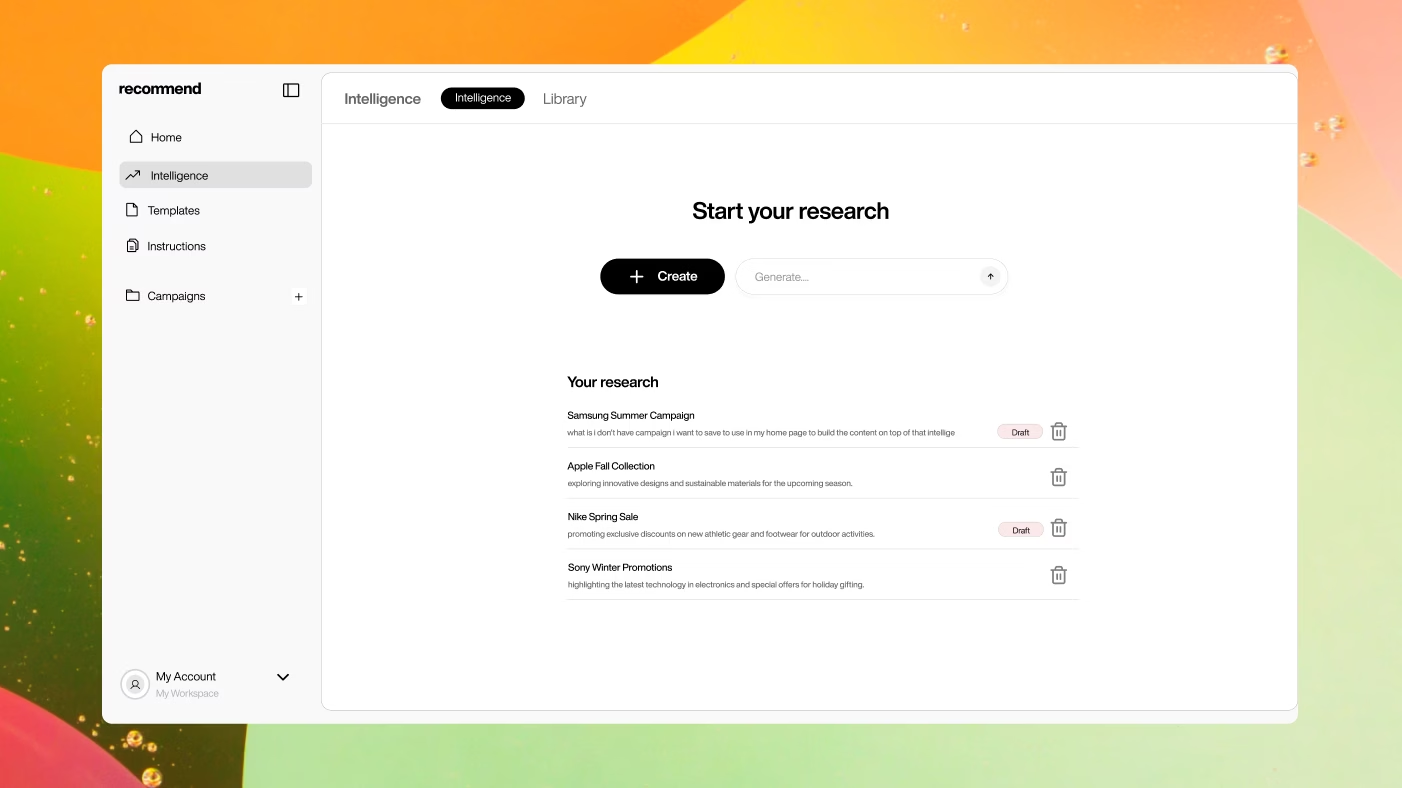
Most trend research involves piecing together data from multiple sources – checking Google Trends here, browsing social platforms there, manually tracking what competitors are covering. Recommend Studio consolidates this detective work into a single intelligence engine that continuously monitors cultural signals, online conversations, and influential publications across your industry.
Instead of spending hours hunting for what's emerging, you get a curated feed of topics that are gaining genuine momentum with your target audience.
Social Media Platforms and Online Communities
If Google tells you what people are searching for, social media and online communities show you what they're actually talking about. These platforms are often the first place new ideas surface. If you want to spot the trending topics before they hit the mainstream, you should definitely check them out on a regular basis.
Reddit and Quora
Reddit is like a live focus group. Once you're inside the right subreddit, try sorting posts by "Rising" or "Hot" to spot discussions that are gaining traction. As you read through the threads, notice the questions that keep popping up. These questions often point to pain points you can turn into content.
Quora works in a similar way. Search for a keyword related to your topic and look at the most followed or most answered questions. If thousands of people are following a single question, you can bet there's demand for a deeper article that goes beyond the surface-level answers.
TikTok Creative Center
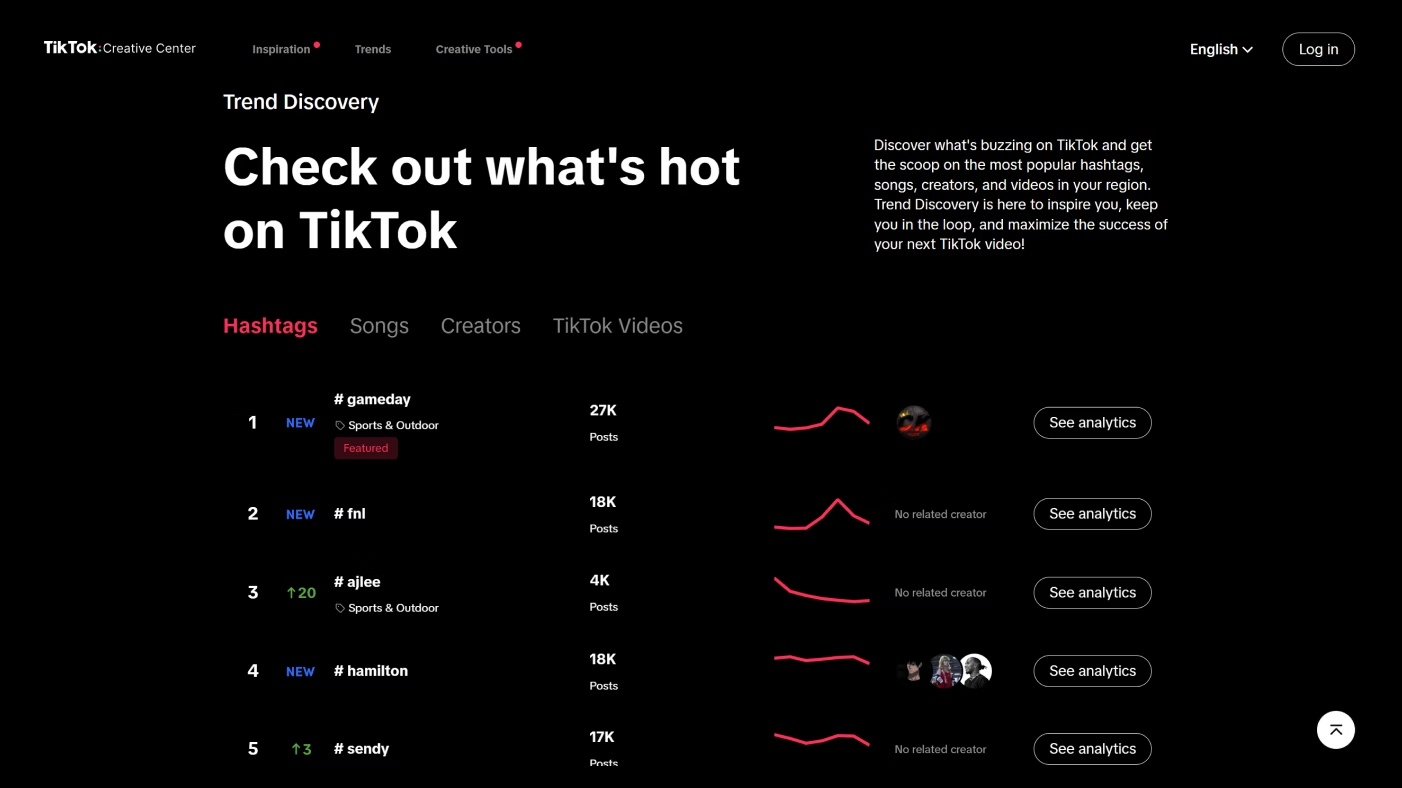
TikTok has become a cultural trendsetter. TikTok's Creative Center makes it easy to see which hashtags and formats are exploding in popularity. Even if you don't create video content, the signals here can inspire timely angles. For example, if a new productivity hack is trending as a TikTok hashtag, you can expand on it with a detailed guide or analysis.
X/Twitter
On X (formerly Twitter), the Trending sidebar and hashtag search give you a real-time look at what people are discussing. This works best for timely, news-driven content. If something in your niche suddenly starts trending, publishing a quick post can help you ride the wave.
If you're interested in how it actually works, open the "Trending" or "For You" tag, scan for hashtags or phrases relevant to your niche, and cross-check on Google Trends to confirm the staying power.
LinkedIn Trending News
When it comes to professional or B2B topics, LinkedIn is a goldmine. The "Trending News" section gives you a snapshot of what's being talked about across the platform, and your feed shows which posts your own network is buzzing over. If you write about industry insights, it's one of the easiest ways to stay in step with the conversations that matter to decision-makers and peers in your space.
Pinterest Trends & Predicts
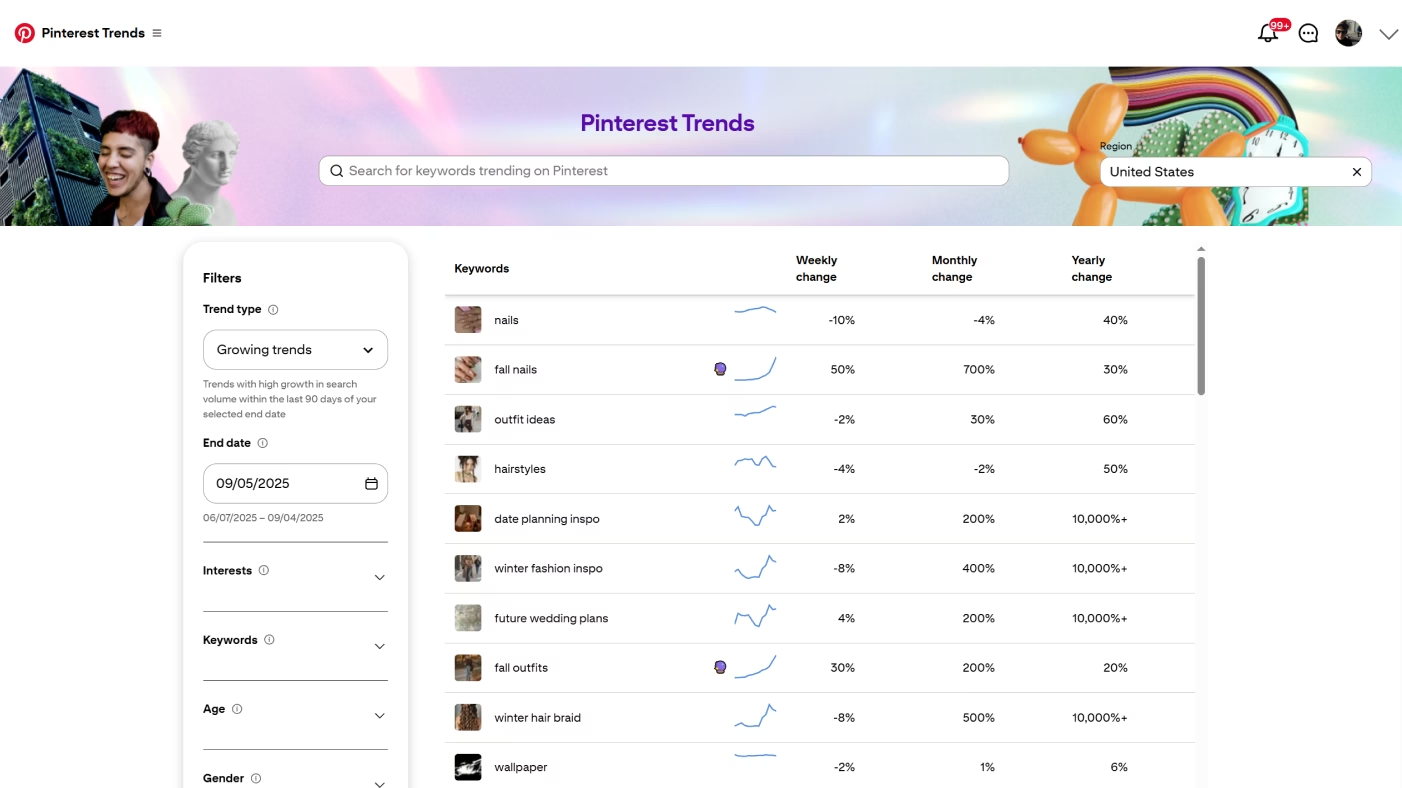
Pinterest is a window into what people are planning, buying, and dreaming about. The Pinterest Trends tool highlights rising searches, while Pinterest Predicts publishes annual forecasts for what's expected to trend next year. That being said, we can conclude that Pinterest is extremely useful for lifestyle, design, fashion, food, and ecommerce niches.
Instagram Explore & Hashtags
Instagram's Explore tab works like a visual trend radar. It shows the types of content bubbling up in your niche, with hashtags revealing how widely a topic is being shared.
Facebook Groups and Niche Communities
Although it might not feel as trendy as TikTok or Instagram, Facebook Groups are still packed with real conversations. To get ideas, join groups related to your niche and watch what members are asking or sharing most.
Medium
Medium is less about questions and more about storytelling. Trending tags and featured topics highlight the themes that readers care about right now. If you're in a B2B or thought-leadership space, browsing Medium can show you what kinds of perspectives or narratives are resonating with a professional audience.
Other communities (Hacker News, Product Hunt, Discord, and Stack Exchange)
Finally, there are specialized communities, and we'll mention just some of them.
Hacker News is where you'll see what's new in tech and startups. Product Hunt is great for spotting the newest tools and apps, often before they hit the mainstream. On Discord, you can dive into servers in your niche to catch grassroots conversations as they unfold. And if you're looking for practical angles, Stack Exchange forums are full of recurring technical questions that can easily spark detailed blog posts.
SEO and Keyword Research Tools
If you want to move beyond hunches and see real data about what people are searching for, SEO and keyword research tools are your best friends. They don't just show search volumes. They also reveal rising queries, content gaps, and the kinds of topics that have the potential to drive steady traffic once the buzz settles. And when paired with content automation, they help turn those topics into ready-to-publish content.
Here's how to make the most of them.
Ahrefs
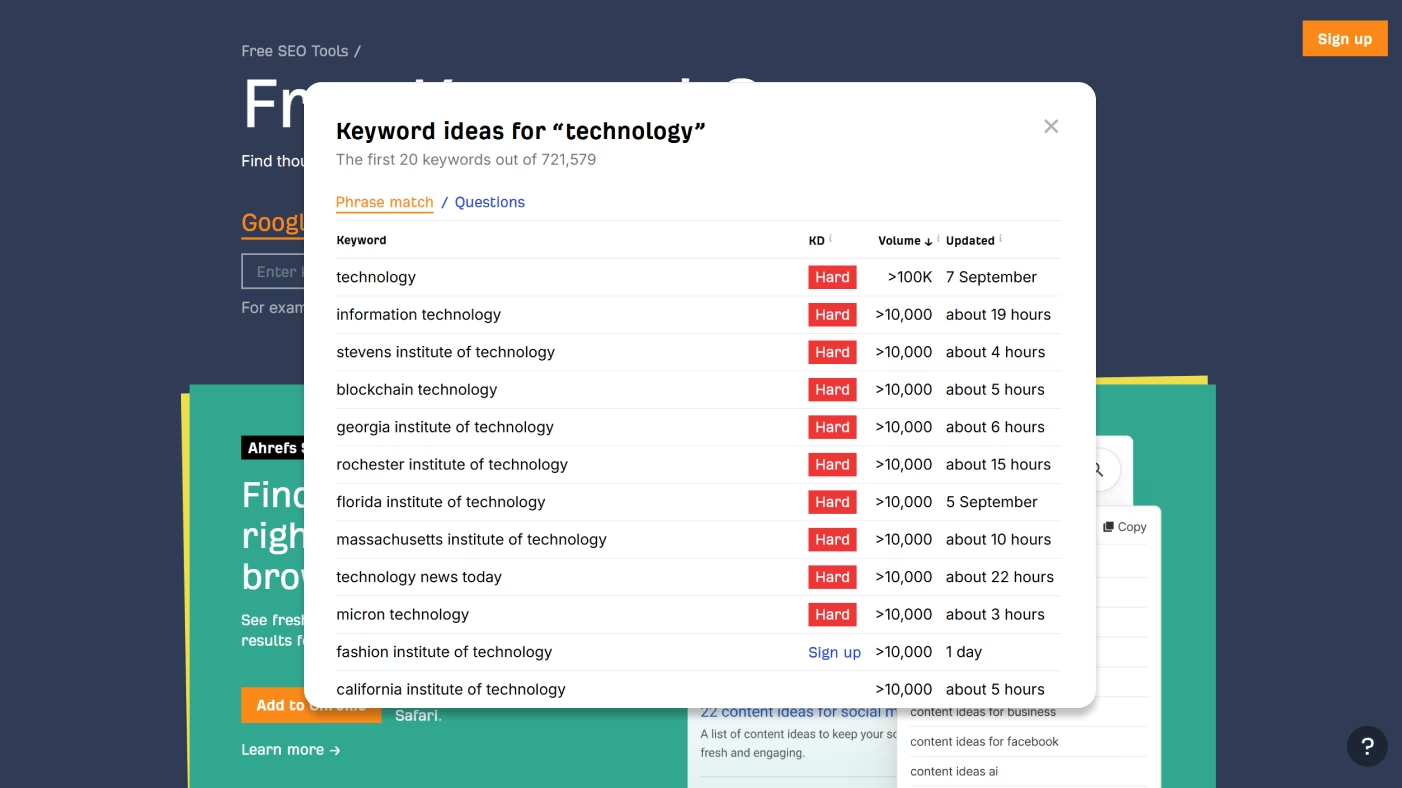
Ahrefs is known for its backlink data, but it's just as useful for spotting content opportunities. In Keywords Explorer, you can filter for terms with a rising search volume or low competition. Meanwhile, Content Explorer lets you search any topic and see which articles are gaining traction in terms of shares, links, and traffic. It's like having a map of what's already resonating, so you can decide where to add your own take.
AnswerThePublic and AlsoAsked
Both of these tools turn Google's "People Also Ask" questions into something more digestible. AnswerThePublic visualizes queries as clusters around your keyword, showing the "who, what, why, how" questions people are typing into search
AlsoAsked goes one step further by mapping out how those questions connect to each other.
If you combine the two, you'll get ideas for content that answer specific trending questions.
Ubersuggest and KeywordTool.io
If you're after a lightweight, affordable option, Ubersuggest is a good place to start. It shows keyword trends, seasonality, and content ideas pulled straight from search results.
KeywordTool.io is another handy tool that mines autocomplete suggestions not just from Google, but also from YouTube, Amazon, Instagram, and more.
BuzzSumo
BuzzSumo is all about performance: it surfaces the most-shared and most-linked content for any topic. You can quickly see which headlines and angles are working. And more importantly, you can see which platforms are driving that interest. For example, if a topic is exploding on LinkedIn but barely registers on Twitter, you'll know exactly where to focus your promotion once you publish your content.
Semrush (Keyword Magic & Topic Research)
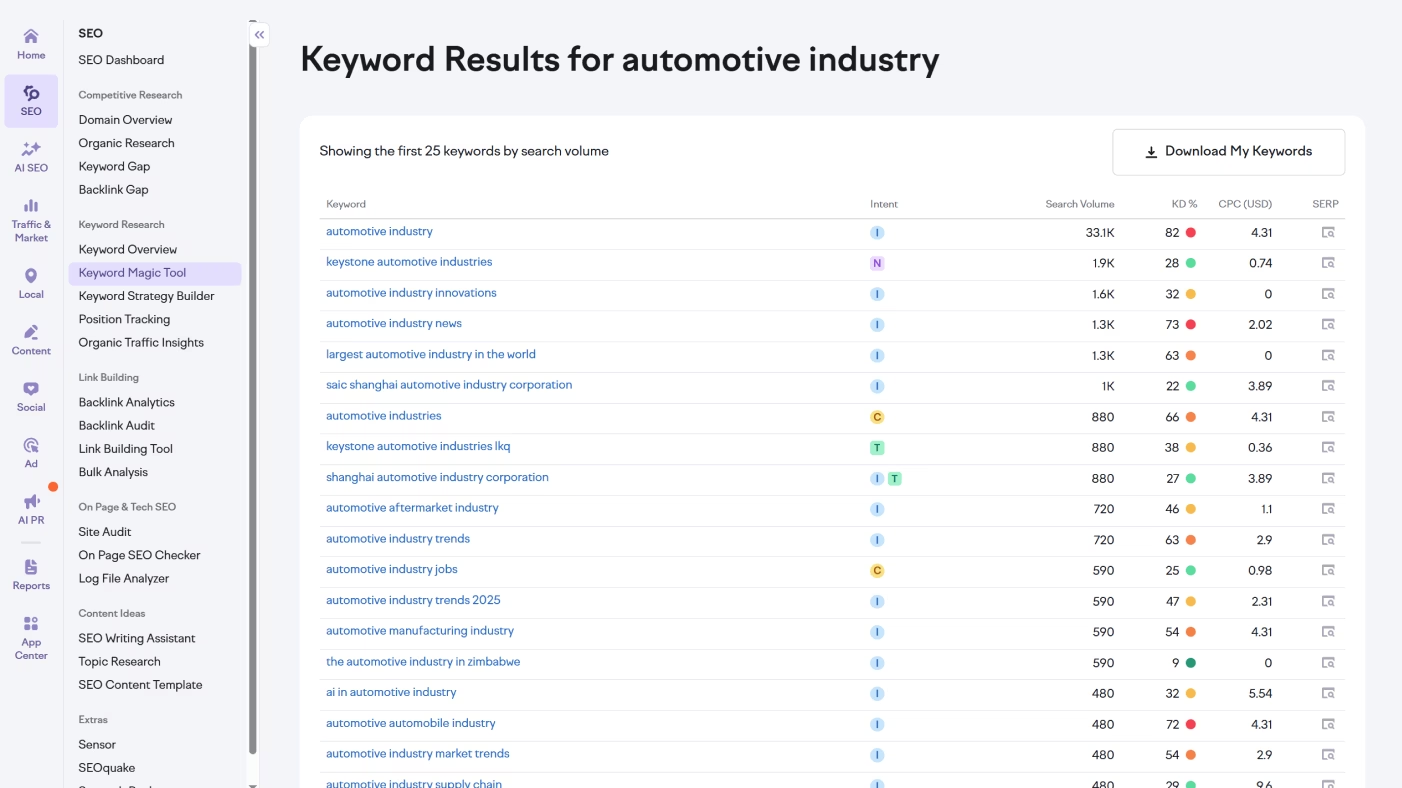
Semrush packs in a few features that are especially handy for spotting trends (and here you can check out their content marketing trends analysis for 2025). The Keyword Magic Tool is great for digging into related terms and catching queries that are starting to take off. Then there's Topic Research, which serves up cards full of headlines, subtopics, and common questions. Put the two together, and you can move from a rough idea to a content outline shaped around what's trending.
Moz Keyword Explorer, Surfer, and Clearscope
Moz Keyword Explorer is especially good at showing "opportunity scores." In practice, that means it weighs not only how many people are searching for a term but also how realistic it is to rank for it. A keyword with high demand but low competition is flagged as a stronger opportunity, the sweet spot where you can actually win traffic.
Once you've locked in your keyword or angle, tools like Surfer and Clearscope help with the next step: structuring the content itself. They analyze top-ranking pages and suggest related terms, headings, and subtopics you might want to include. The goal isn't to stuff in keywords, but to make sure your piece covers the topic as fully as readers (and search engines) expect.
Competitive Intelligence and Market Research
Sometimes the fastest way to find trending topics is simply to watch what others in your space are doing. A quick scan of competitor blogs, newsletters, or YouTube channels can reveal which themes they're putting serious effort behind.
But of course, you don't have to rely on guesswork. There's a range of competitive intelligence and market research tools you can make use of!
Similarweb and Semrush .Trends
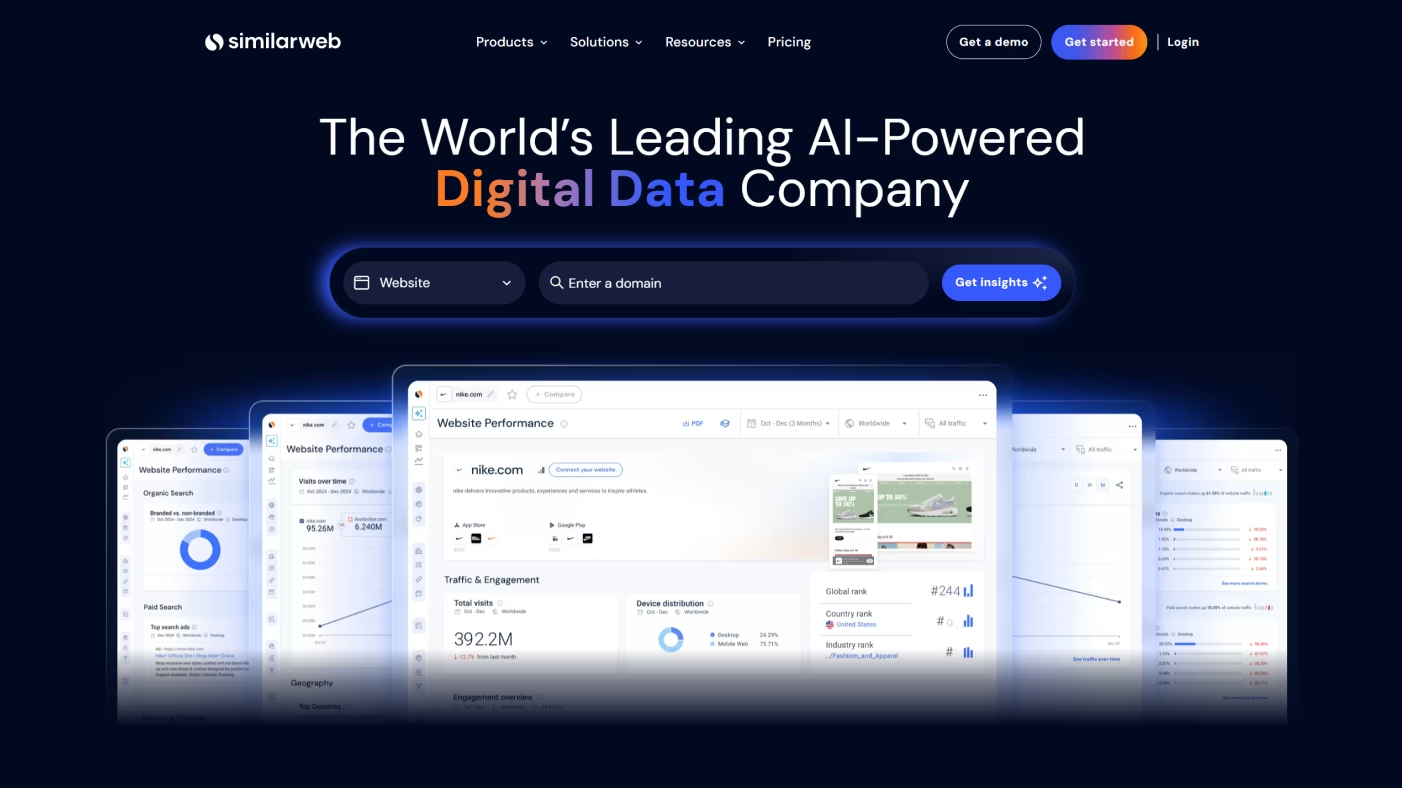
Both of these tools are built for market-level insights. Similarweb shows you where a site's traffic is coming from, which content is performing best, and how that compares to others in the same niche.
Semrush .Trends goes even broader, letting you track categories, industry shifts, and share of voice across competitors.
SparkToro
SparkToro flips the script by showing you where your audience hangs out. Type in a keyword or topic, and it reveals the podcasts, websites, and social accounts that people in that niche follow.
Industry Reports
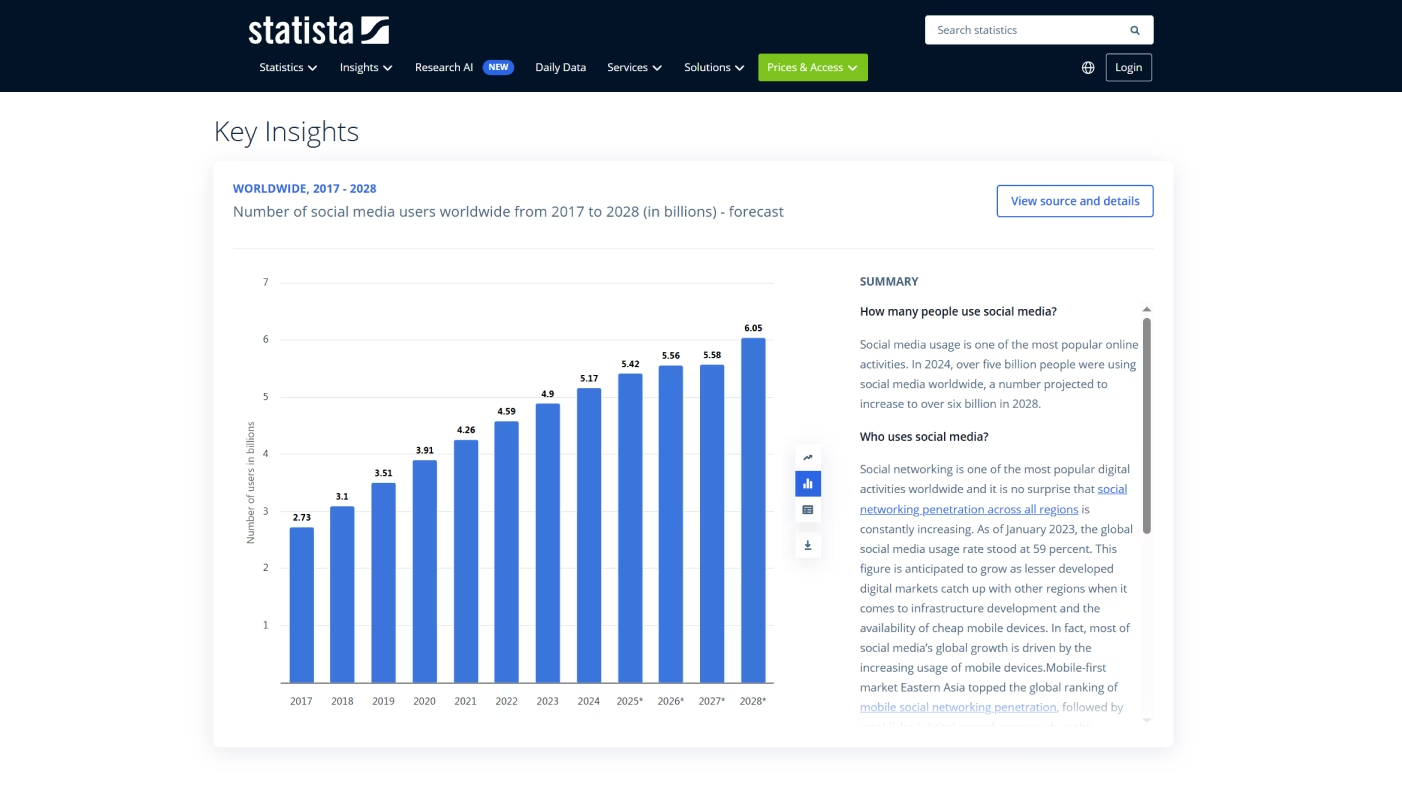
For data-driven topics, sources like Statista, McKinsey, or Deloitte reports can be invaluable. They surface statistics, charts, and forecasts that not only highlight trending subjects but also give you authoritative material to cite in your own posts. These sources may not catch the earliest buzz, but they provide credibility and context. That's why they are ideal for thought-leadership content.
BuiltWith, App Annie, Owler, and Crayon
These tools focus on the competitive landscape itself. BuiltWith shows you which technologies a site is adopting, hinting at shifts that might spark new content ideas. App Annie (now data.ai) tracks app performance and category growth (and that can be immensely useful for tech and mobile-focused blogs). Owler and Crayon monitor competitor announcements, positioning, and marketing campaigns, which can help you spot movements inside an industry before it becomes the real deal.
G2 and TrustRadius for Category Buzz
Finally, review platforms like G2 and TrustRadius offer a ground-level view of what people are talking about in software and B2B categories. Browse the reviews and comparison pages, and you'll often see recurring themes: features everyone is suddenly excited about, pain points that keep coming up, or new categories gaining traction.
Trend Discovery Databases
Google, social media, and SEO tools are great for catching topics that are already gaining traction. But what if you want to see a little further ahead?
Trend discovery databases are designed to surface early signals, cultural shifts, and ideas that haven't fully broken into the mainstream just yet.
They're especially useful if you want your content to feel fresh and forward-looking, and not just reactive.
Trend Hunter
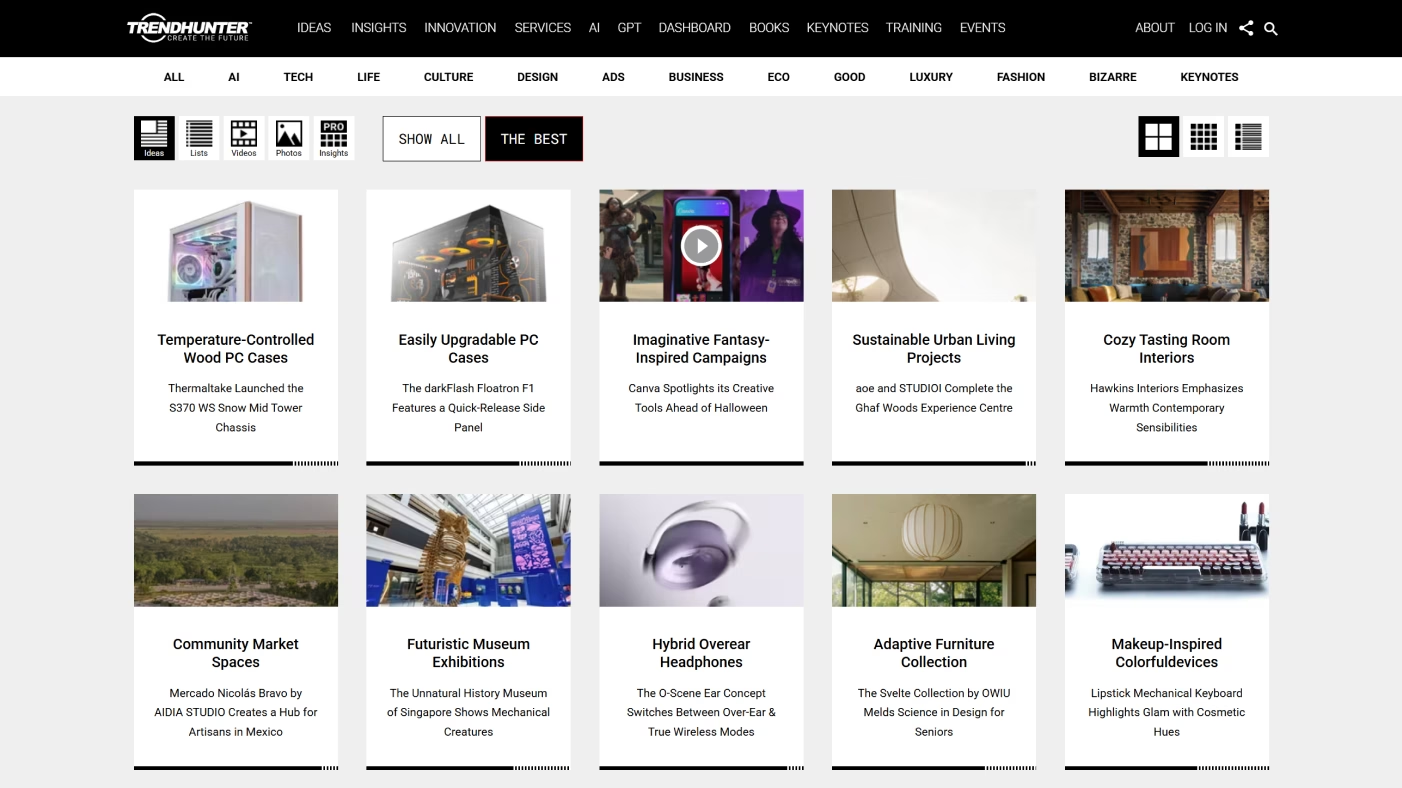
Trend Hunter is one of the largest trend libraries out there. It covers everything, from tech and business to lifestyle and design. Each trend is presented with examples, context, and consumer insights. That makes it really easy to connect the dots between what's happening in culture and what it could mean for your audience.
Glimpse
Glimpse specializes in spotting fast-rising topics before they show up in Google Trends. It monitors online chatter and search behavior, flagging ideas that are just starting to gain momentum. For bloggers and marketers, that means you can publish content right as interest begins to spike.
Trends by HubSpot
Trends by HubSpot focuses on business and marketing themes. Instead of raw data, it delivers digestible briefs with context, examples, and recommendations. If you're short on time but still want a sense of what's moving the needle in marketing, sales, and B2B, Trends by HubSpot could be your best option.
Exploding Topics
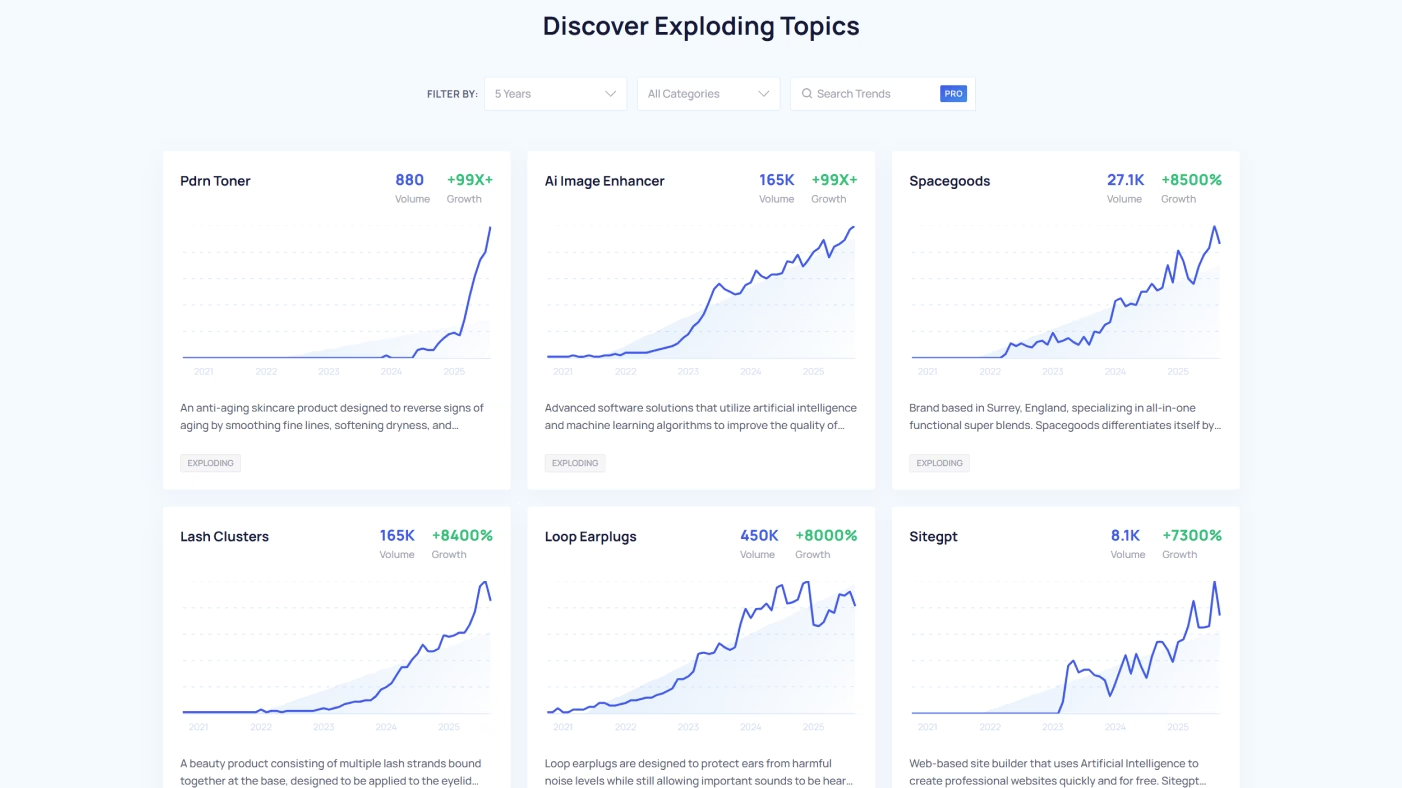
As the name suggests, Exploding Topics highlights subjects that are suddenly surging in popularity. It's a clean, simple tool that makes it easy to filter by category and see which products, apps, or concepts are breaking out. We'd suggest you use it for writing listicles, "what's new" posts, or market roundups.
Pinterest Predicts
Unlike most trend tools, Pinterest Predicts is forward-looking by design. Each year, Pinterest publishes a forecast of the themes, aesthetics, and interests it expects to grow based on user behavior. Because Pinterest often leads visual culture, these predictions can be a rich source of ideas for lifestyle and design content that's on the verge of breaking out.
CB Insights, TrendWatching, and WGSN
Looking for a more research-heavy angle? Check out CB Insights, TrendWatching, and WGSN! These platforms deliver in-depth reports on consumer behavior, technology, and industry shifts. These are often used by strategists and product teams, but they're equally valuable for content creators.
Monitoring and Social Listening Tools
Besides appearing in search data or reports, trends also emerge in everyday conversations. Monitoring tools and social listening platforms help you catch those conversations early, whether they're happening in news outlets, niche blogs, or social feeds.
Feedly (curated feeds)
Feedly is a classic tool for staying organized, but it's still one of the best ways to track rising themes. Pulling blog posts, news articles, and even YouTube channels into a single feed saves you from endless browsing. With the help of its AI assistant, Leo, you can highlight certain keywords or topics and quickly see which stories are gaining momentum.
Awario, Mention, and Talkwalker Alerts
If you want to know the moment people start talking about a topic, tools like Awario, Mention, and Talkwalker Alerts are great options. They scan social media, blogs, and news sites for mentions of specific keywords or phrases, and then notify you in real time. Set them up for terms in your niche, and you'll see spikes in chatter before they're obvious anywhere else.
Brandwatch, Meltwater, Hootsuite, and Sprout Social
If you're up for a more advanced take, platforms like Brandwatch and Meltwater dive deep into sentiment analysis. They don't just show how much people are talking, but also how they feel about certain topics.
Hootsuite and Sprout Social combine listening with scheduling and analytics. If you want to have a practical all-in-one tube, these could be your tools of choice.
Keep in mind that these tools can be pricey. But if you're in a competitive space, the ability to monitor large-scale conversations is often worth it.
Keyhole (hashtags & influencer monitoring)
Keyhole specializes in hashtags and influencer tracking. It shows you which hashtags are trending, who's driving the conversations, and how much reach those posts are getting. That's particularly helpful if you want to tie your blog content to social movements or partner with creators who already have attention in your niche. Instead of crunching keywords, it helps you see who's actually sparking and spreading the word.
Bonus: E-Commerce, Ads, and Cultural Signals
What people are buying, which ads are being tested, or which songs and shows are climbing the charts can also be a good way of finding trending topics. Tapping into these signals can help you spot cultural shifts and turn them into content that's going to be both timely and original.
Amazon Movers & Shakers, Etsy, and Shopify Trends
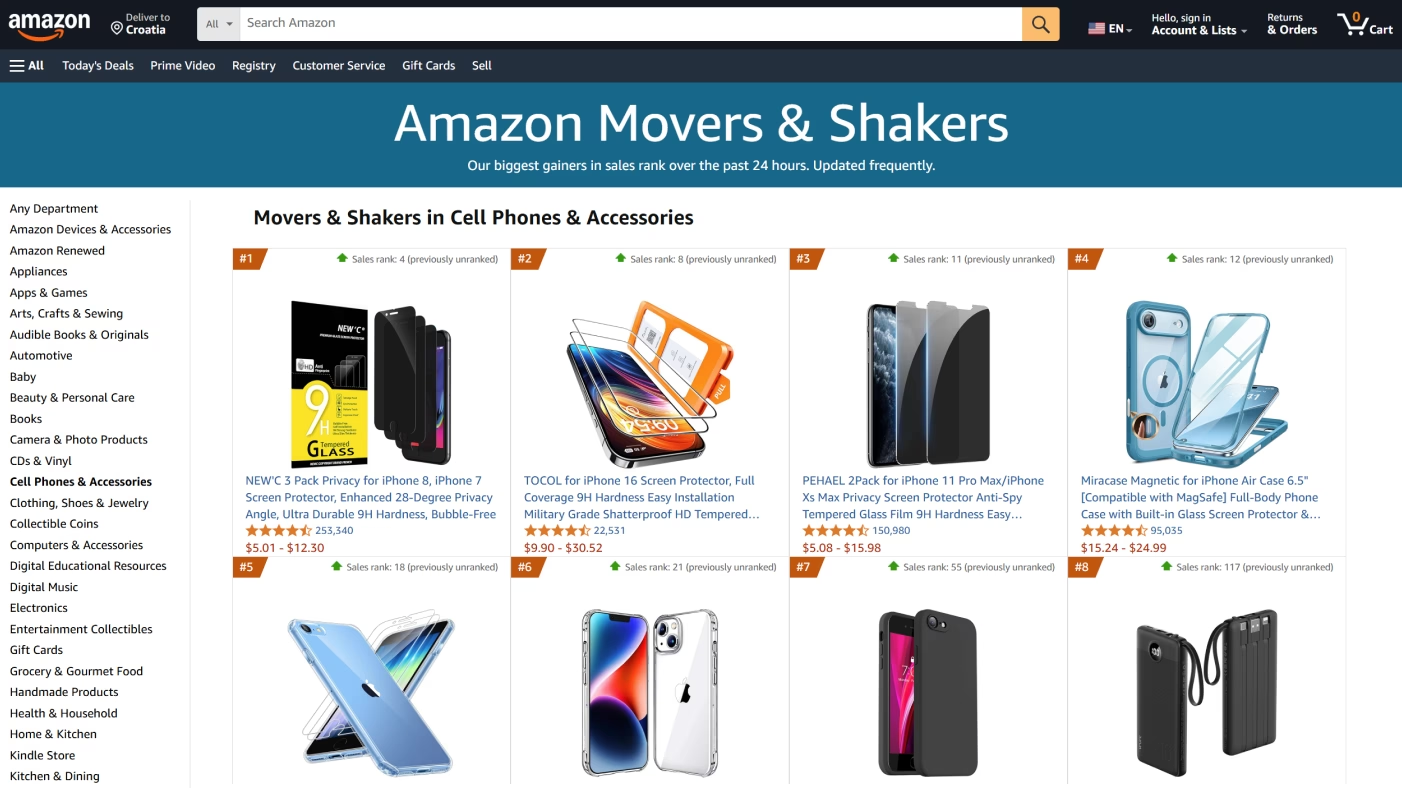
Amazon Movers & Shakers shows products with the biggest jumps in sales rank, which often reveal what people are suddenly excited about. Etsy Trends highlights rising searches across handmade and niche products, giving you an inside look at lifestyle shifts. Shopify Trends adds another layer, offering insights into categories and products that are gaining traction across thousands of online stores.
Together, these platforms give you an early read on consumer behavior.
Meta Ad Library
Advertising tools are another gold source of trend signals. The Meta Ad Library lets you see what brands are actively running on Facebook and Instagram. If many companies are investing in the same creative theme, it's usually a sign of a growing trend.
Spotify, Apple Podcasts, and YouTube Charts
Culture often moves fastest in music and media. Spotify Charts and Apple Podcasts rankings are windows into what people are listening to right now, from breakout songs to new shows climbing the charts. Pair that with YouTube Trending and you get a sense of the videos, creators, and formats that are grabbing attention on a global scale.
Conclusion
Finding trending topics isn't about chasing every shiny idea. It's about knowing where to look and choosing the signals that will be relevant to your audience.
From Google's toolbox and social communities to SEO platforms, competitive research, and trend databases, you now have a wide range of ways to spot what's gaining momentum. Layer in monitoring tools, e-commerce insights, and cultural signals, and your content pipeline will always stay full of timely ideas.
Beware that the key is to combine these sources, rather than relying on just one. For example, you can use Google Trends to validate demand, social platforms to catch conversations in motion, and tools like BuzzSumo or Semrush to see what's already performing. Then add in trend discovery databases or e-commerce snapshots to get a sense of what's coming next. And with AI marketing tools becoming more sophisticated, trend detection is getting even more automated and precise.
At the end of the day, finding trending topics for your blog is about staying curious and keeping your radar switched on. Trends don't announce themselves. They show up in data spikes, social chatter, and cultural moments. By paying attention to those signals, you'll be ready to create content that feels timely, resonates with readers, and keeps you a step ahead of the competition.