Best Content Marketing Automation Tools to Scale
Discover the best content marketing automation tools. Compare AI-powered platforms like Recommend to scale your content marketing.
Content marketing can feel like a juggling act. It includes research, writing, scheduling, distributing, and tracking results, all at once. Doing it all by hand quickly becomes overwhelming, especially if your team is small or your goals are ambitious, which is exactly the pain point echoed in CMI's 2025 benchmarks. That's why so many marketers turn to content marketing automation tools. They make the process faster, smoother, and easier to scale.
In this guide, we'll walk through the best tools out there right now. It's not just a random list, but a breakdown of what each category does, from AI-powered writing assistants to scheduling platforms, analytics tools, and distribution systems.
The goal is simple: to help you figure out which ones actually fit your workflow and make the biggest difference for your business.
By the end, you'll have a clear picture of how to save time, stay consistent, and grow your content efforts without needing a bigger team.
What Are Content Marketing Automation Tools?
Content marketing automation tools are designed to make life easier for marketers by taking over the repetitive work that eats up so much time, which is a top challenge noted in HubSpot's State of Marketing report. Instead of manually scheduling every post, sending one-off emails, or juggling spreadsheets, these platforms help you plan, deliver, and track content without the usual hassle.
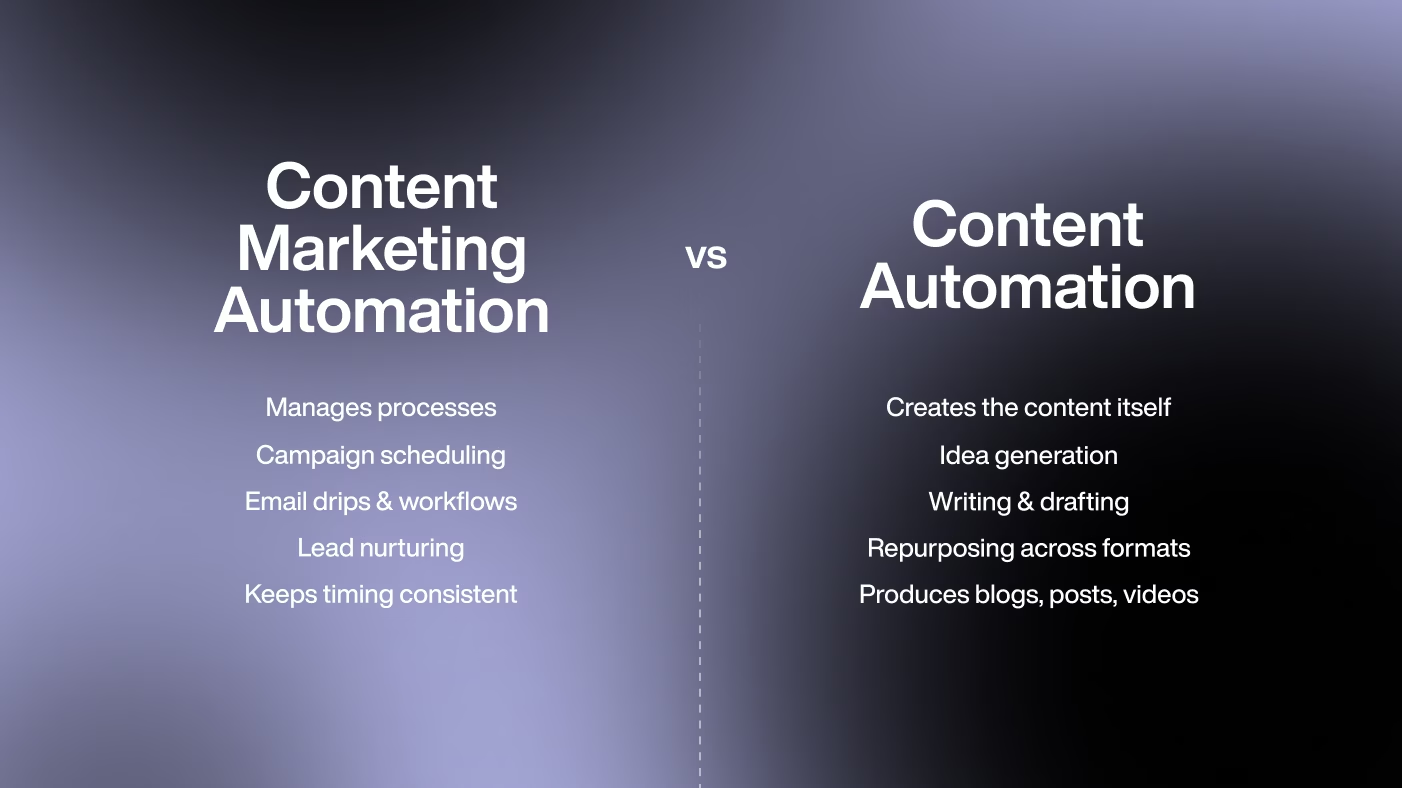
It's important to understand the difference between content automation and content marketing automation. Content automation focuses on the actual creation of content: drafting blog posts, generating social captions, or designing graphics, often with the help of AI tools in marketing. Content marketing automation, on the other hand, is about what you do once the content is made. It's the workflows, scheduling, targeting, and optimization that make sure the right piece of content reaches the right person at the right time.
Both have an important role in modern marketing. One makes it easier to produce content at scale, while the other ensures that content actually drives results.
Why Businesses Need Content Marketing Automation
If you feel like the demand for content never slows down, you're probably right. Blogs, emails, social posts, product updates… there's always more to create, publish, and optimize.
The problem is, most teams are already stretched thin, and hiring more people isn't always an option. That's where content marketing automation makes a real difference. It helps you keep up without burning out.
Here's why businesses lean on marketing content automation tools today.
Rising costs: creating manually eats time and budget, while automation helps you save on both fronts.
Personalization at scale: customers expect tailored messages. Automation makes it possible to adapt content for different segments automatically.
Competitive edge: speed matters in SEO, social, and campaigns. With automation, teams can launch faster, stay consistent, and keep up with competitors.
The Best Content Marketing Automation Tools
There's no shortage of software out there promising to make marketing easier. The challenge isn't finding tools, but knowing which ones are worth your time. In this guide, we'll break down the most important content marketing automation tools that help teams stay organized, optimize performance, and scale without burning out.
We'll start by looking at AI-powered content creation and automation platforms, as they complement workflow and analytics by transforming how teams generate content from the start.
After that, we'll go into the core categories every marketer should know:
workflow & scheduling platforms (to manage campaigns and keep everything on track)
analytics & optimization tools (to measure performance and fine-tune content strategies)
a quick look at content curation tools, digital asset management, and personalization engines (secondary categories that can still add a lot of value depending on your setup).
Finally, since SaaS companies often have unique content needs, we'll dedicate a separate section, so you'll walk away with a clear view of both the general toolkit and the SaaS-specific stack.
AI-Powered Content Creation & Automation
Before you can schedule or analyze content, you need something worth publishing. AI-powered creation tools are the starting point. They help you create the content you'll later schedule, analyze, and optimize.
Recommend
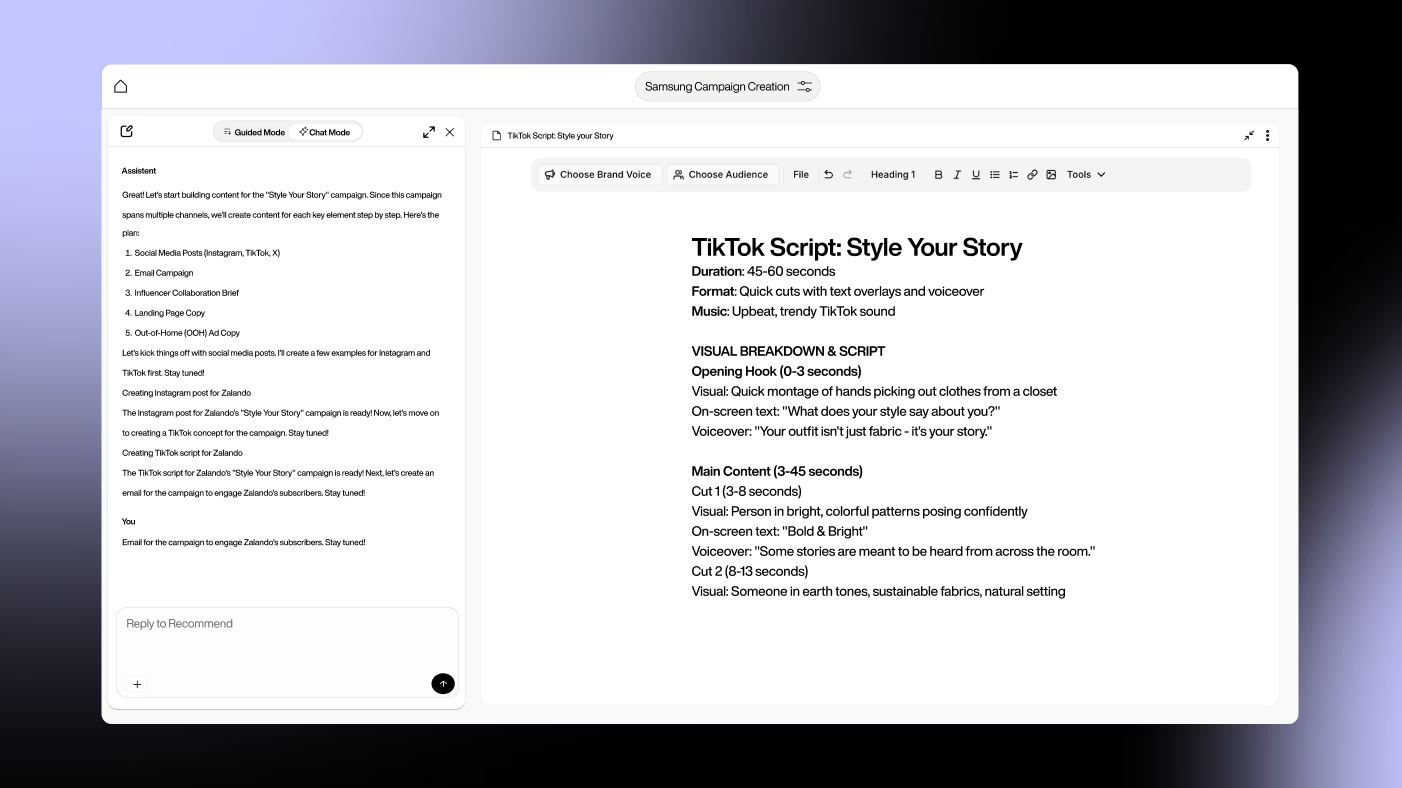
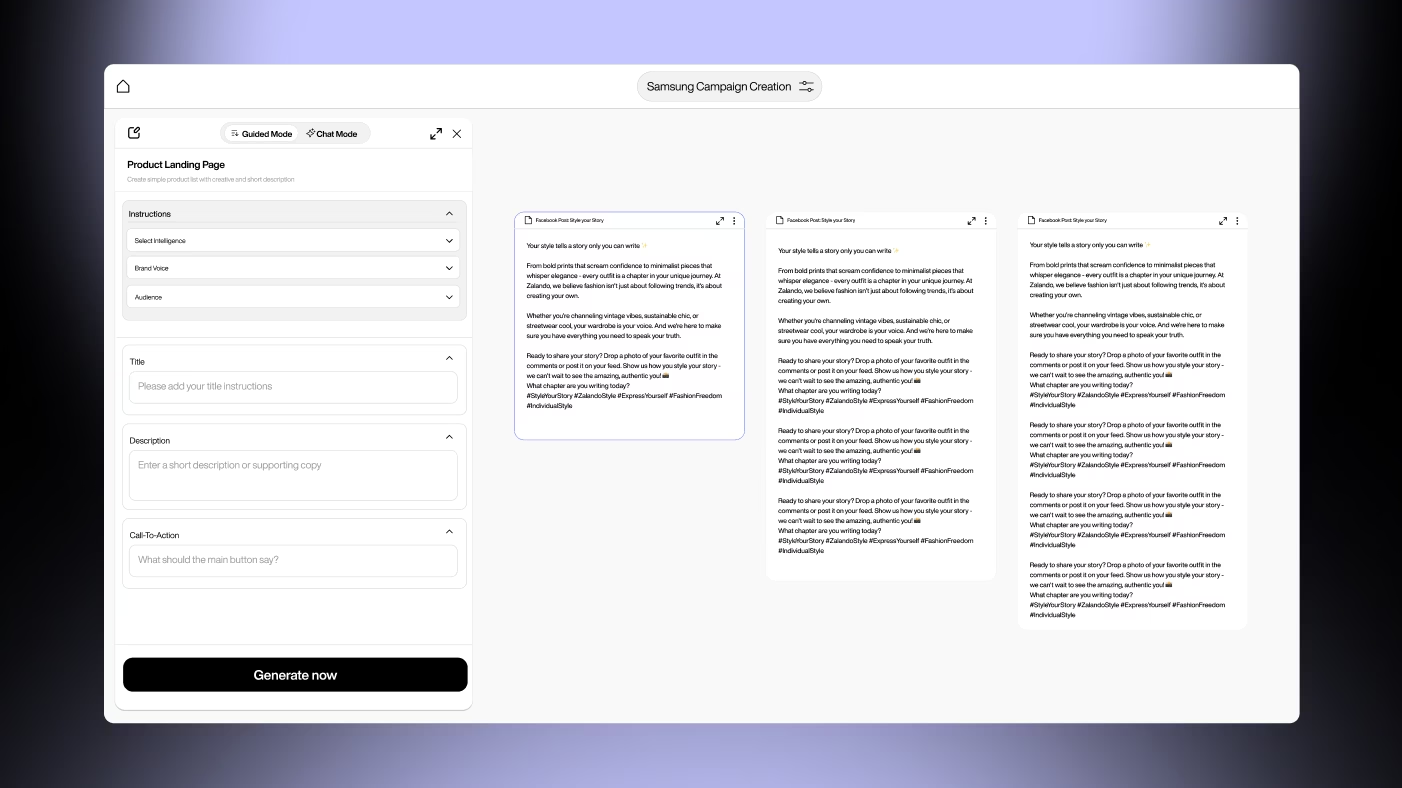
Recommend Studio is an intelligence-driven content engine. Instead of relying on guesswork or generic briefs, it starts with real-time cultural signals, online conversations, and influential publications to surface what truly matters to your audience right now.
That intelligence becomes the foundation for execution. With ready-to-use templates across various formats, from social posts and landing pages to ads and articles, Recommend makes it possible to turn trending topics into high-quality, audience-specific content. And all that in minutes.
Jasper
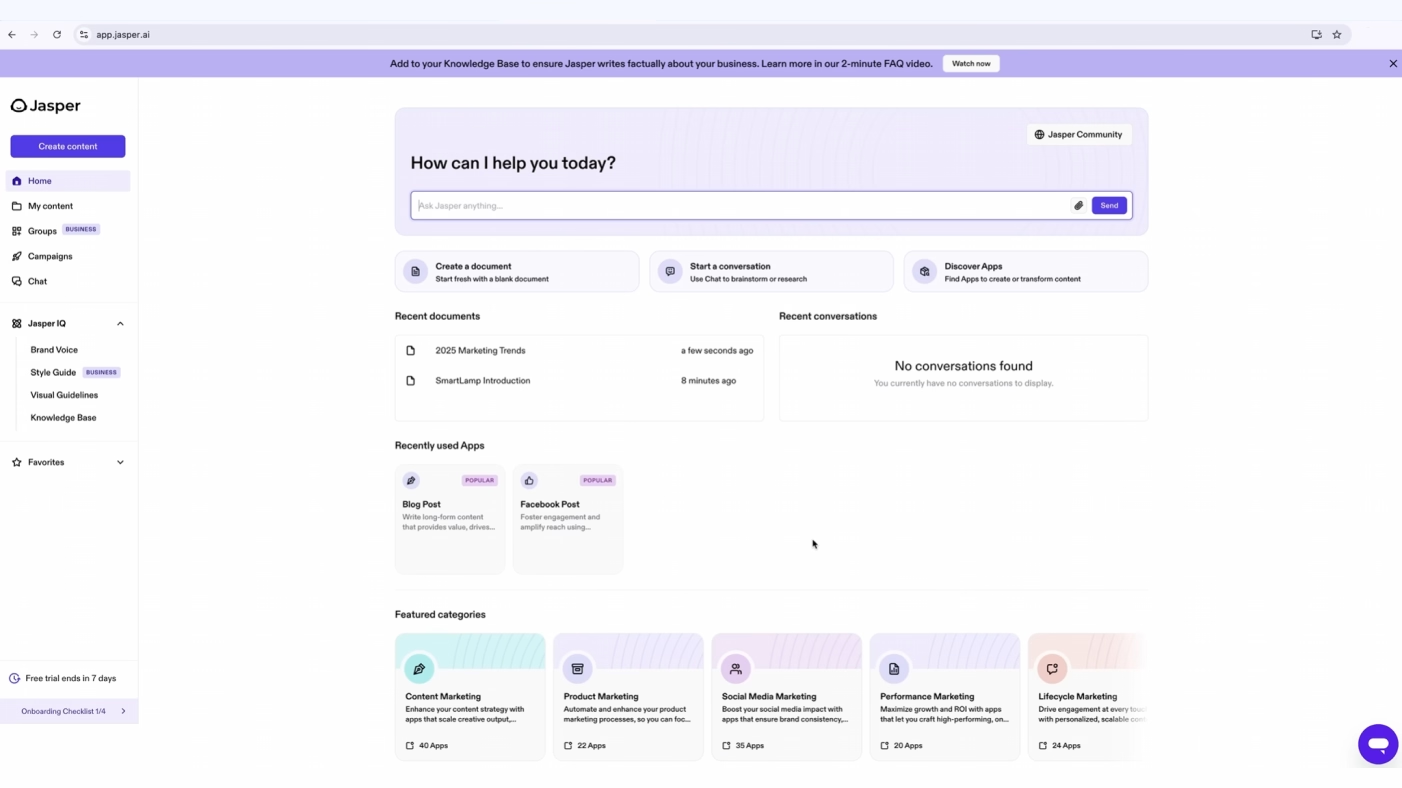
Jasper is built for marketing teams that need speed and consistency. It offers prebuilt templates for blogs, ads, and emails, while letting teams create custom brand voices to keep tone consistent.
Its strongest point is this focus on consistency. Every draft feels on-brand, no matter who's writing. On the flip side, that structure can sometimes feel limiting. If you want to get experimental or stray outside of Jasper's built-in frameworks, the results may come out a bit repetitive.
Copy.ai
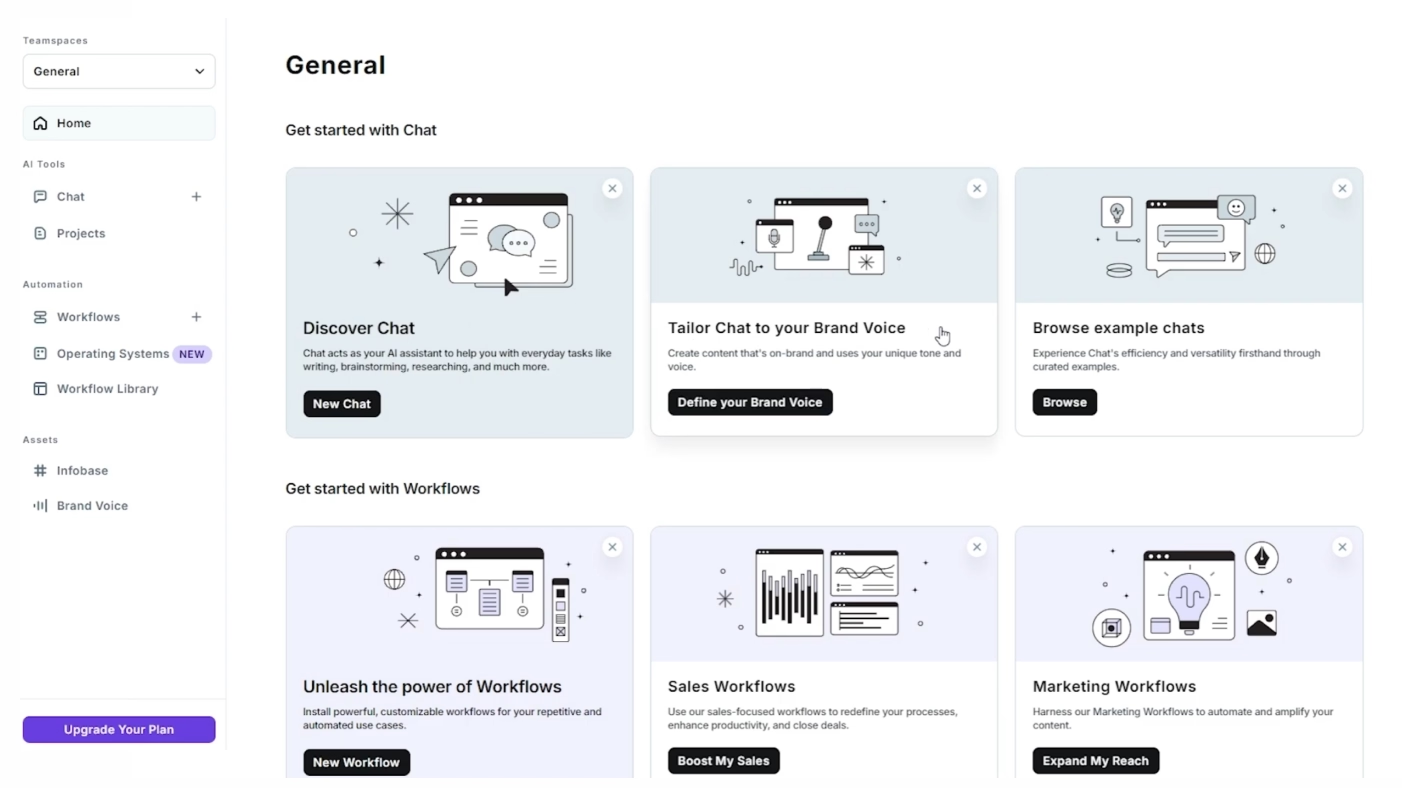
Copy.ai takes a more flexible, fast-paced approach. It shines at turning one idea into many different formats. You can feed it a blog post and quickly spin out ad variations, email subject lines, or LinkedIn updates.
The real strength of Copy.ai is how quickly you can multiply content across channels. The trade-off is that it doesn't offer the same workflow depth or approval features as Jasper, so it may feel less team-friendly.
Writesonic
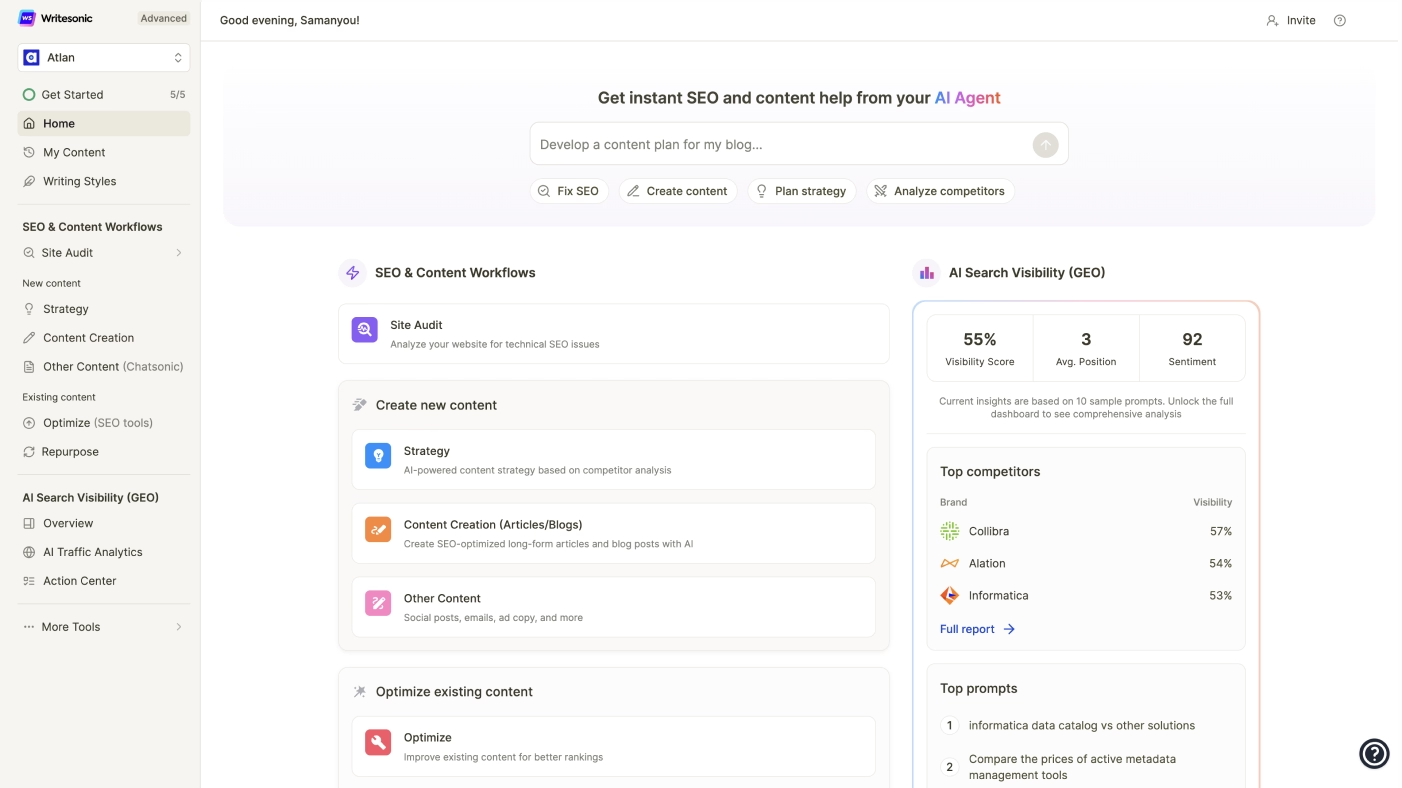
Writesonic casts a wide net, supporting everything from long-form blog posts to landing page copy and e-commerce descriptions. It also bakes in SEO assistance, making it a go-to for marketers who want content that's not only written but optimized.
Its main advantage is range – one platform for nearly every type of content. But with that breadth comes some complexity, and navigating all the options can be a bit much at first.
Workflow & Scheduling Platforms
Workflow and scheduling platforms are all about keeping content organized, on time, and consistent across channels. Instead of juggling spreadsheets, emails, and multiple logins, these tools give marketing teams a single place to plan campaigns, schedule posts, and track progress.
They don't create the content for you, but they make sure the content you do have actually gets out the door smoothly.
HubSpot
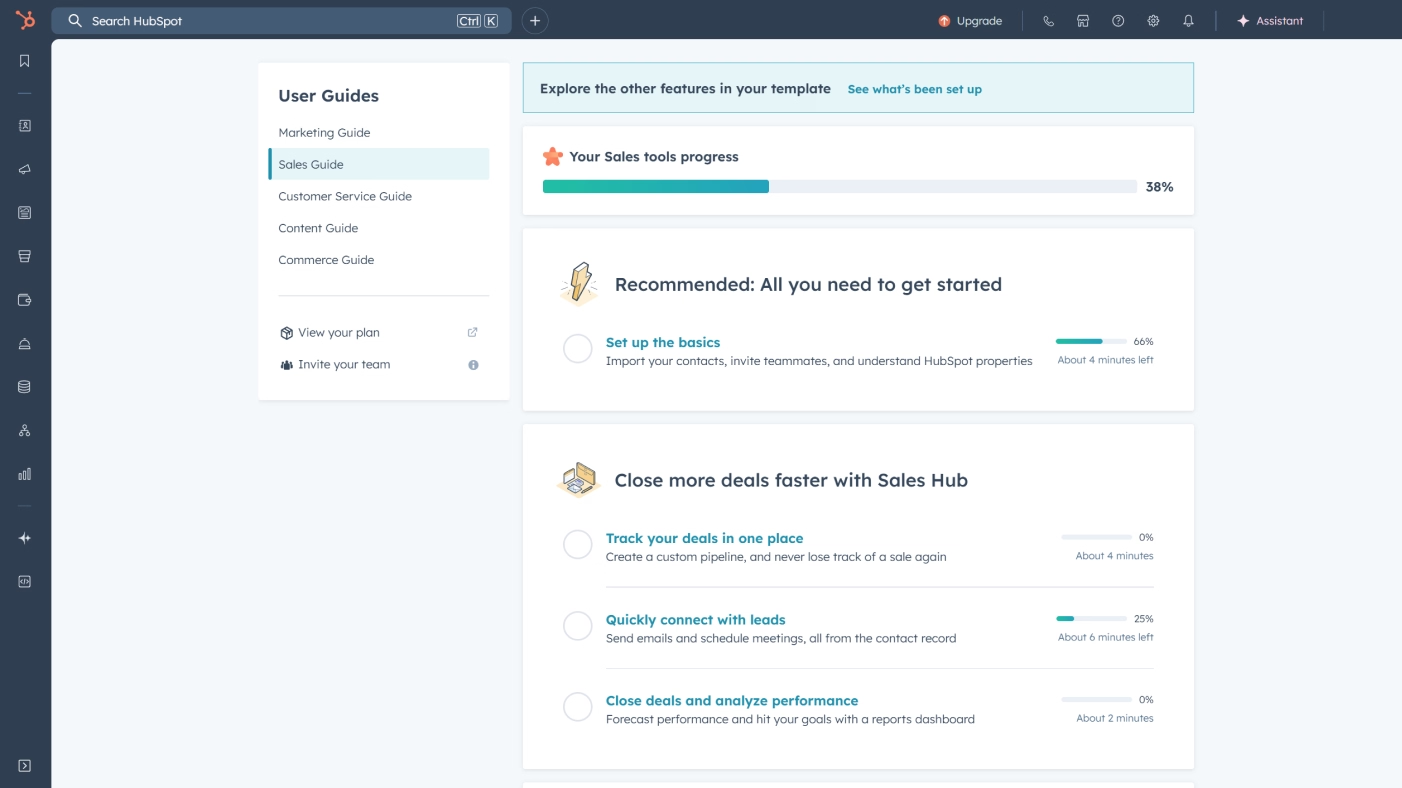
HubSpot is more than a scheduler – it's a full marketing platform. Along with email campaigns and automation workflows, it gives you a centralized place to manage blogs, landing pages, and social posts. If you want marketing, sales, and customer data in one ecosystem, HubSpot is usually at the top of the list.
The biggest strength is how well everything integrates. Your email, CRM, and website data all talk to each other, making personalization and campaign tracking much easier. On the flip side, HubSpot can feel overwhelming and expensive for smaller teams who only need a simple scheduler, since most of its real value comes with the higher-tier plans.
Buffer
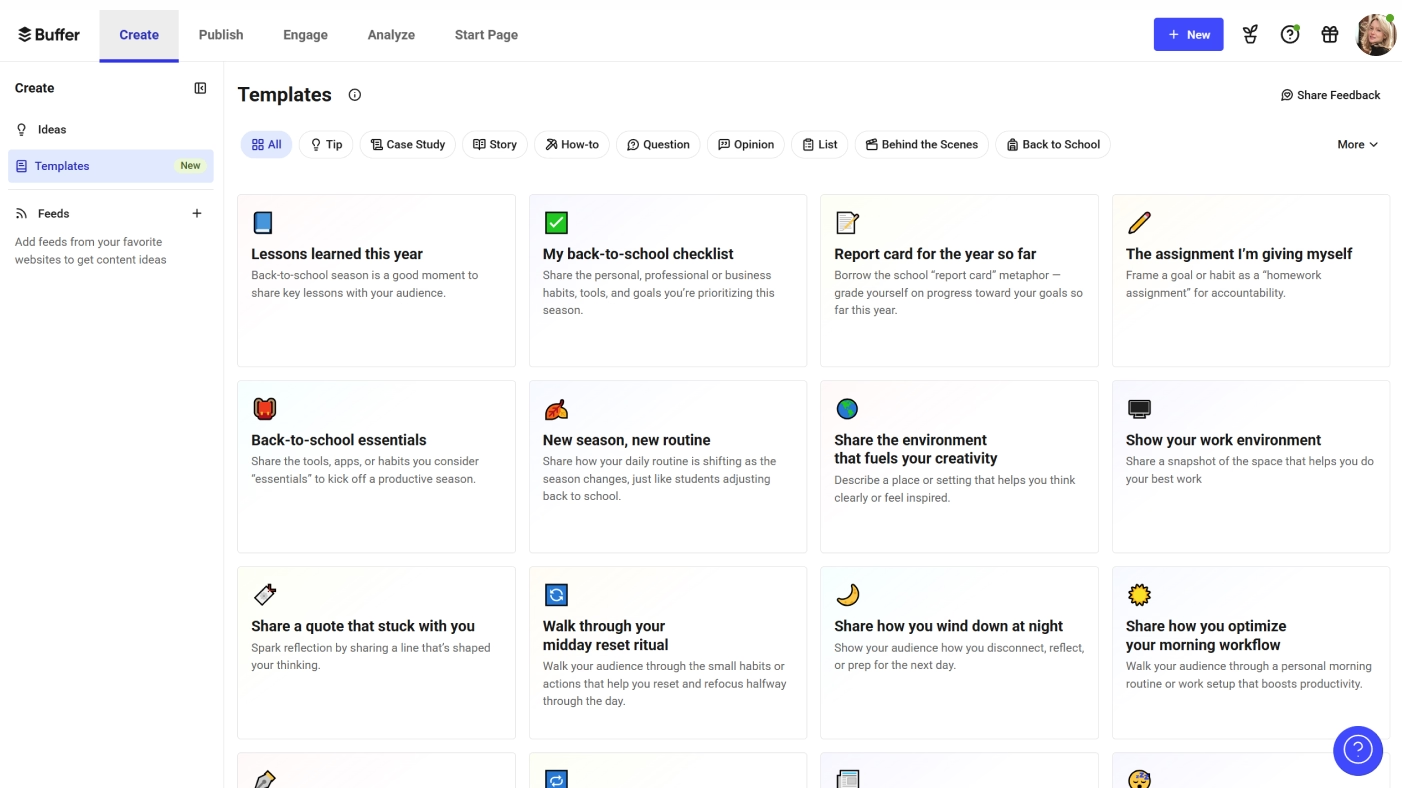
Buffer is known for its simplicity. It strips scheduling down to the essentials: plan posts, queue them up, and track performance across multiple social platforms. For freelancers, solo creators, or small teams, it's a straightforward way to stay consistent without overcomplicating things.
What people like most about Buffer is how clean and easy it feels. It can be set up in minutes, and the pricing is friendly compared to larger platforms. The trade-off is that you don't get the deeper analytics, collaboration tools, or automation features that bigger teams may rely on.
CoSchedule
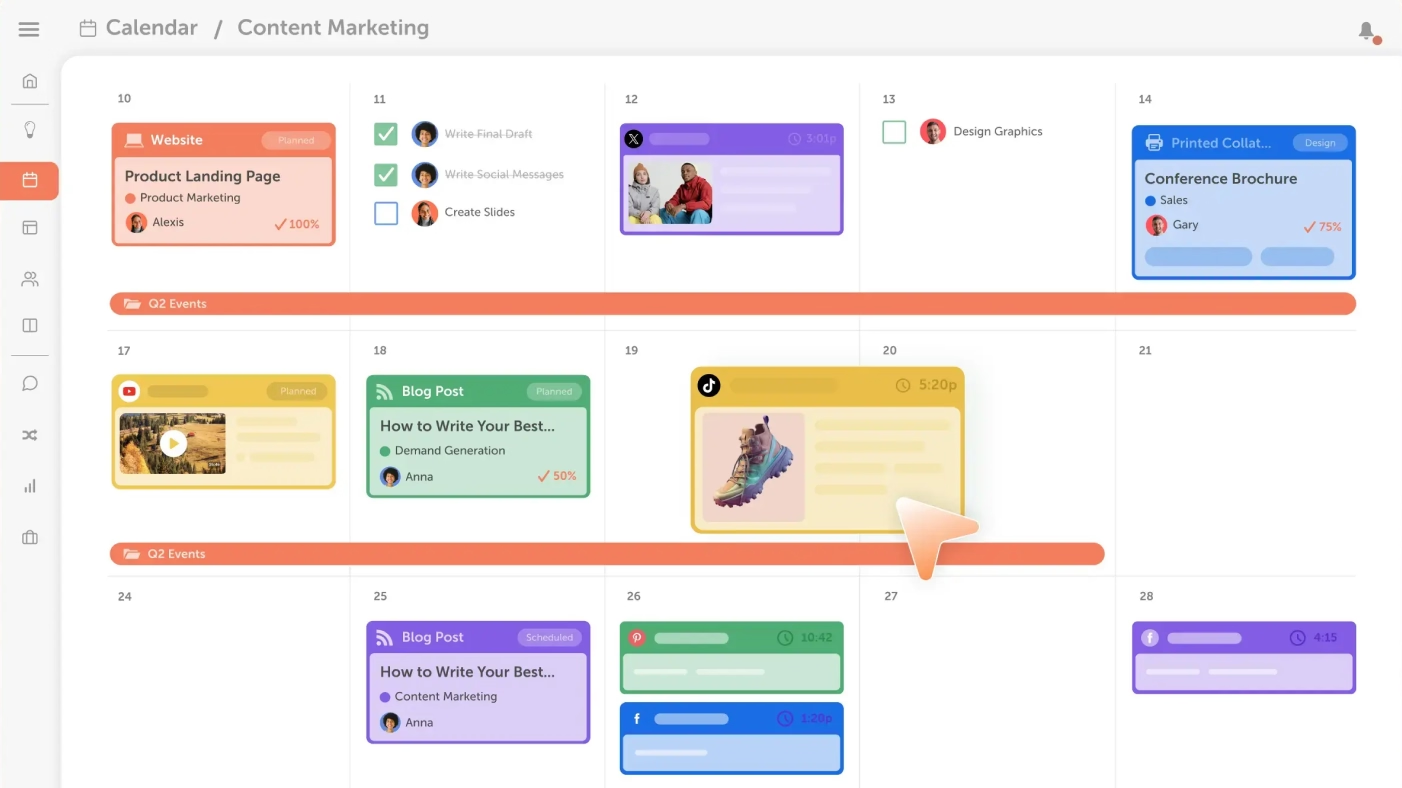
CoSchedule positions itself as more of a "marketing calendar" than just a scheduler. Beyond publishing posts, it helps teams organize blogs, campaigns, and tasks in one shared calendar, which can be especially useful for coordinating between writers, designers, and social managers.
Its main advantage is visibility. You can see the whole content plan at a glance and adjust quickly if priorities shift. The downside is that it takes some setup to get the most out of it, and for small teams, it may feel like more than they actually need (especially compared to lighter tools like Buffer).
Analytics & Optimization Tools
Creating content is only half the job. Making sure it actually performs is the other half. Analytics and optimization tools help bridge that gap. These platforms dig into data like search visibility, keyword performance, and competitor strategies, helping you fine-tune content so it ranks higher, attracts the right traffic, and converts better.
Semrush
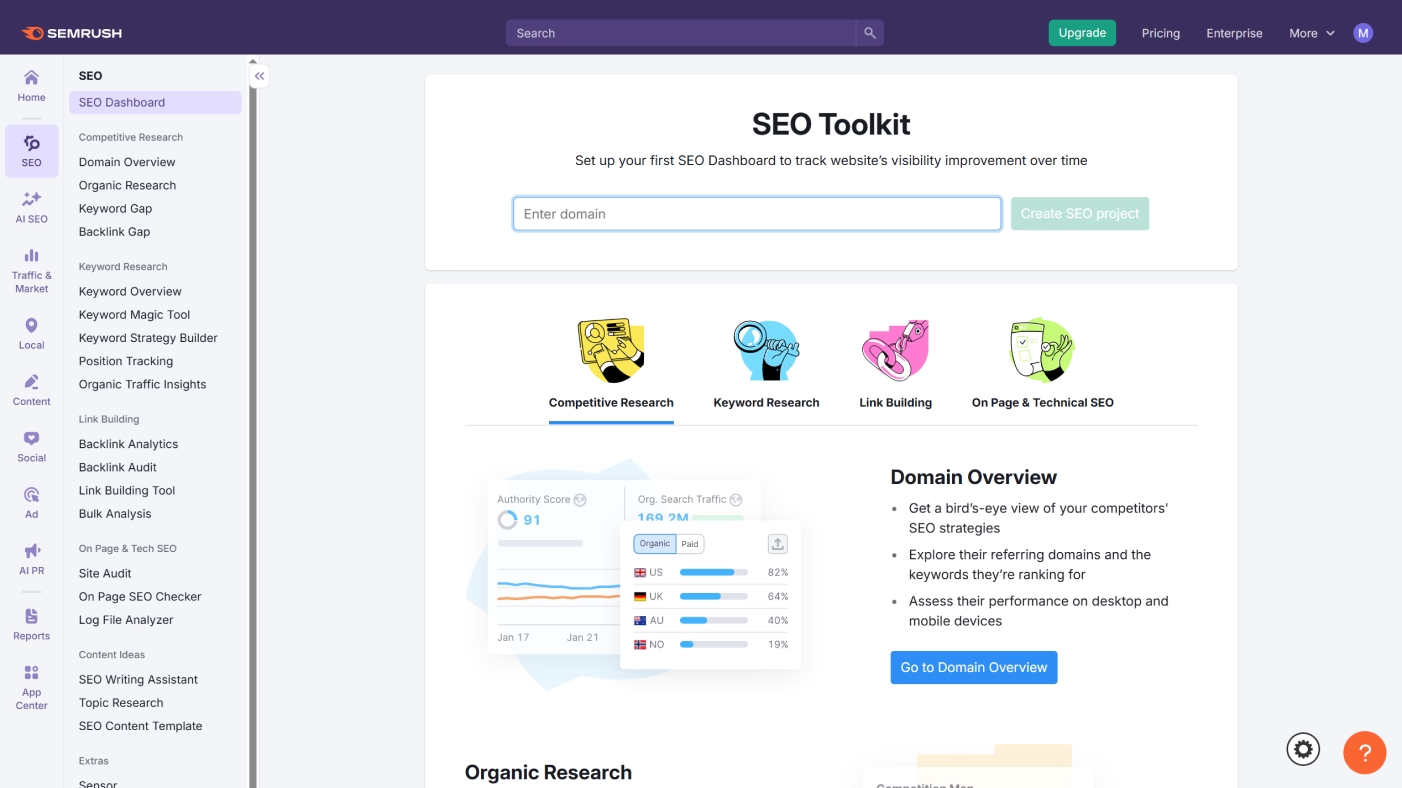
Semrush is one of the most widely used marketing platforms for SEO and digital marketing. It covers everything from keyword research and site audits to content ideas and competitor analysis. This makes it a go-to for teams who want one powerful tool to track all things search.
With Semrush, you'll get detailed insights into what's driving traffic, what your competitors are doing, and where opportunities lie. Its biggest advantage is the depth. But with so many features packed in, Semrush can feel overwhelming at first. Also, the pricing may be steep for smaller teams that only need basic SEO support.
SurferSEO
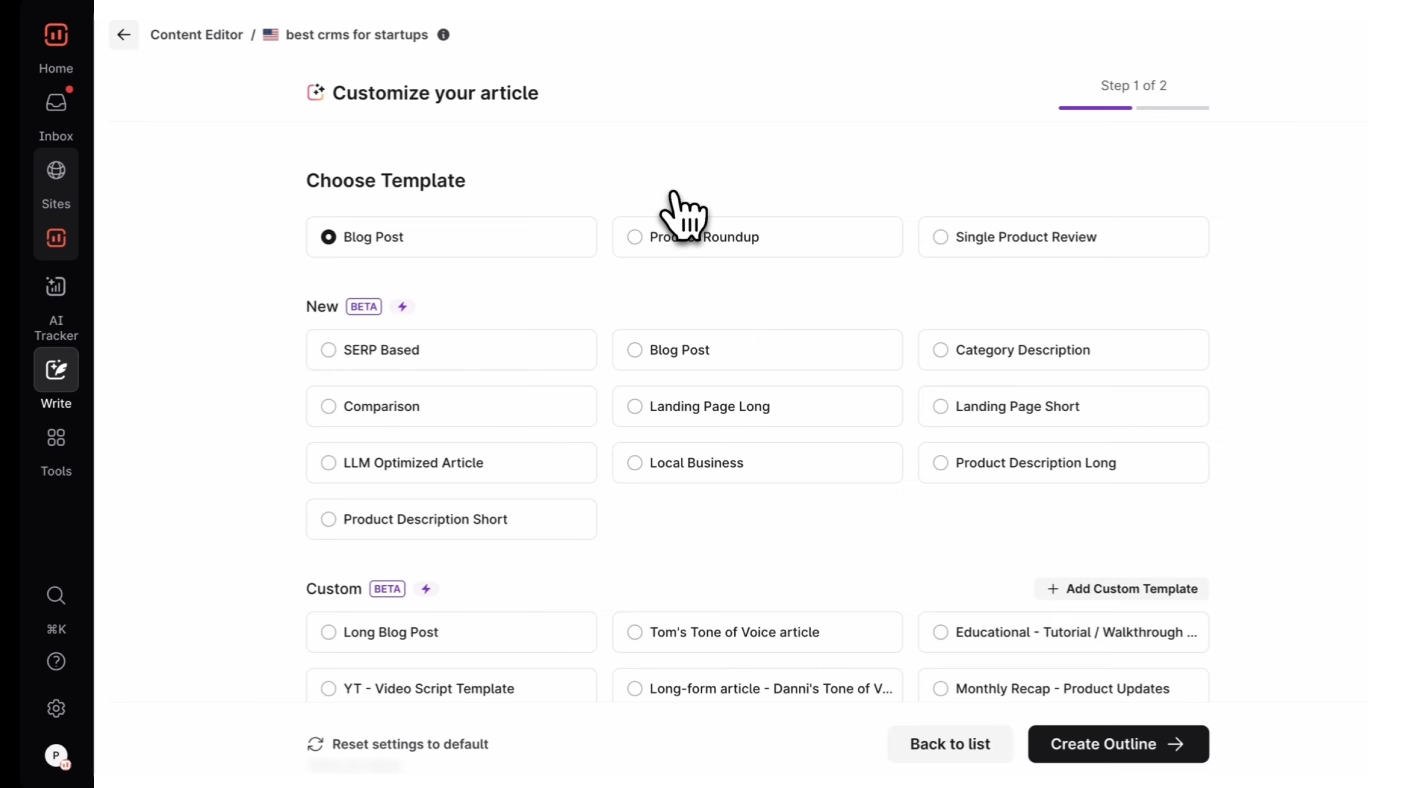
SurferSEO focuses on content optimization. Instead of just showing you keywords, it tells you exactly how to shape your article to match what's ranking. It takes into account basically everything, from word count and structure to semantic terms you might have missed.
Its biggest advantage is clarity. You don't have to guess what Google wants because Surfer gives you concrete guidelines in real time. The flip side is that it can feel restrictive if you lean too heavily on the suggestions, and creative writers may find the checklists a little limiting.
Supporting Tools for Smarter Content Marketing
Not every team needs these on day one, but they're great add-ons once your core workflow is in place. They help you find better ideas, keep assets organized, and personalize experiences.
Content curation tools – automate discovery and sharing
Surface relevant articles, trends, and sources, then queue them for social media or newsletters.
Best picks: Feedly, Curata, BuzzSumo
Digital asset management – scale visual content without chaos
Centralize logos, images, video, and brand files so teams can find, approve, and reuse assets fast.
Best picks: Bynder, Sirtable, Cloudinary
Personalization engines – tailor content to each visitor
Swap headlines, CTAs, and sections based on industry, behavior, or stage to lift conversions.
Best picks: Mutiny, Dynamic Yield, Optimizely
Best Marketing Automation Tools for SaaS Content
Compared to other industries, SaaS businesses face a slightly different set of challenges. Content needs to move fast, explain complex features in a simple way, and speak to very specific audience segments, from developers to decision-makers. That's where marketing automation tools built with SaaS in mind really shine.
Recommend
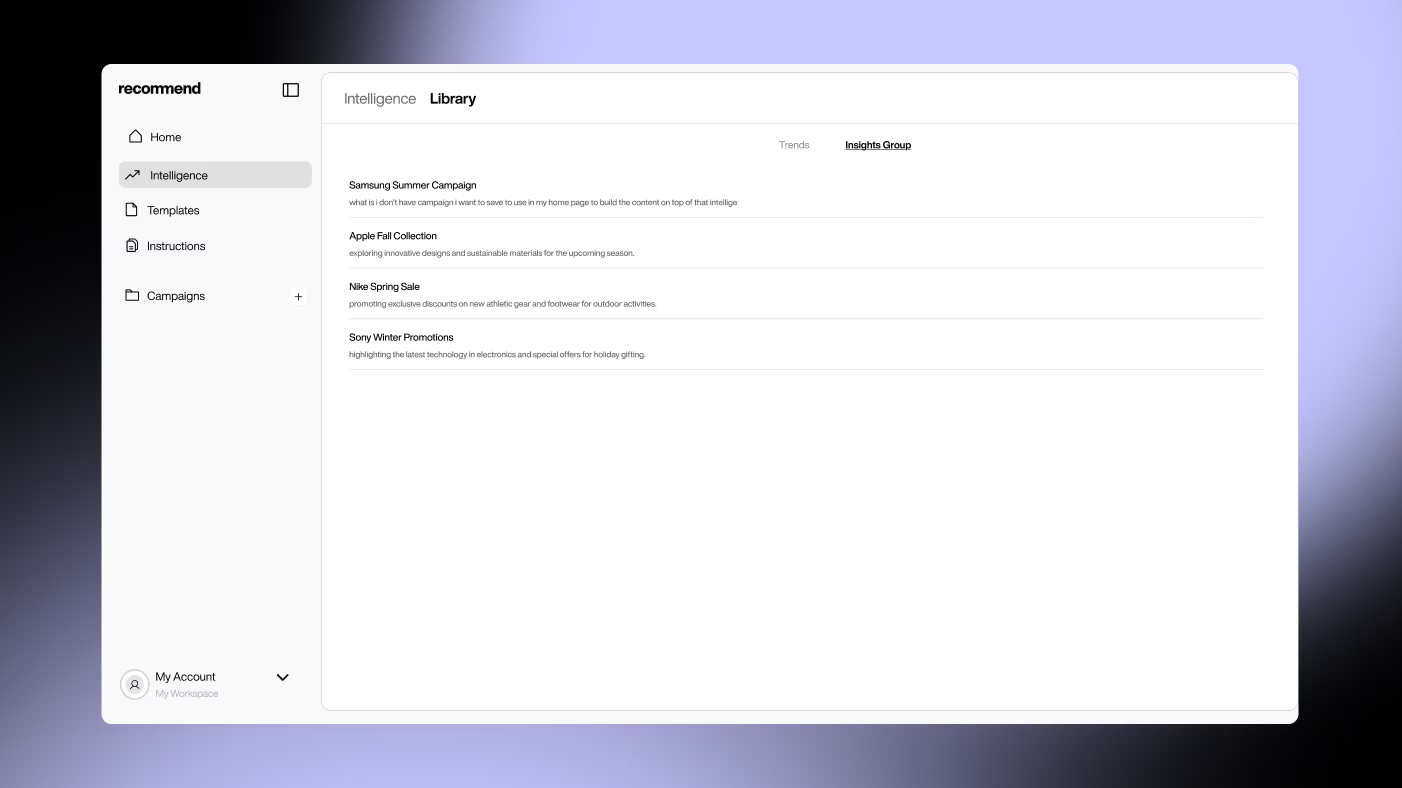
For SaaS teams, Recommend stands out because it helps balance speed with precision. Turning real-time market signals into ready-to-use content makes it easier to publish tailored release notes, technical explainers, and campaigns that speak directly to different user groups. It's a practical way to keep pace with SaaS velocity.
Appcues
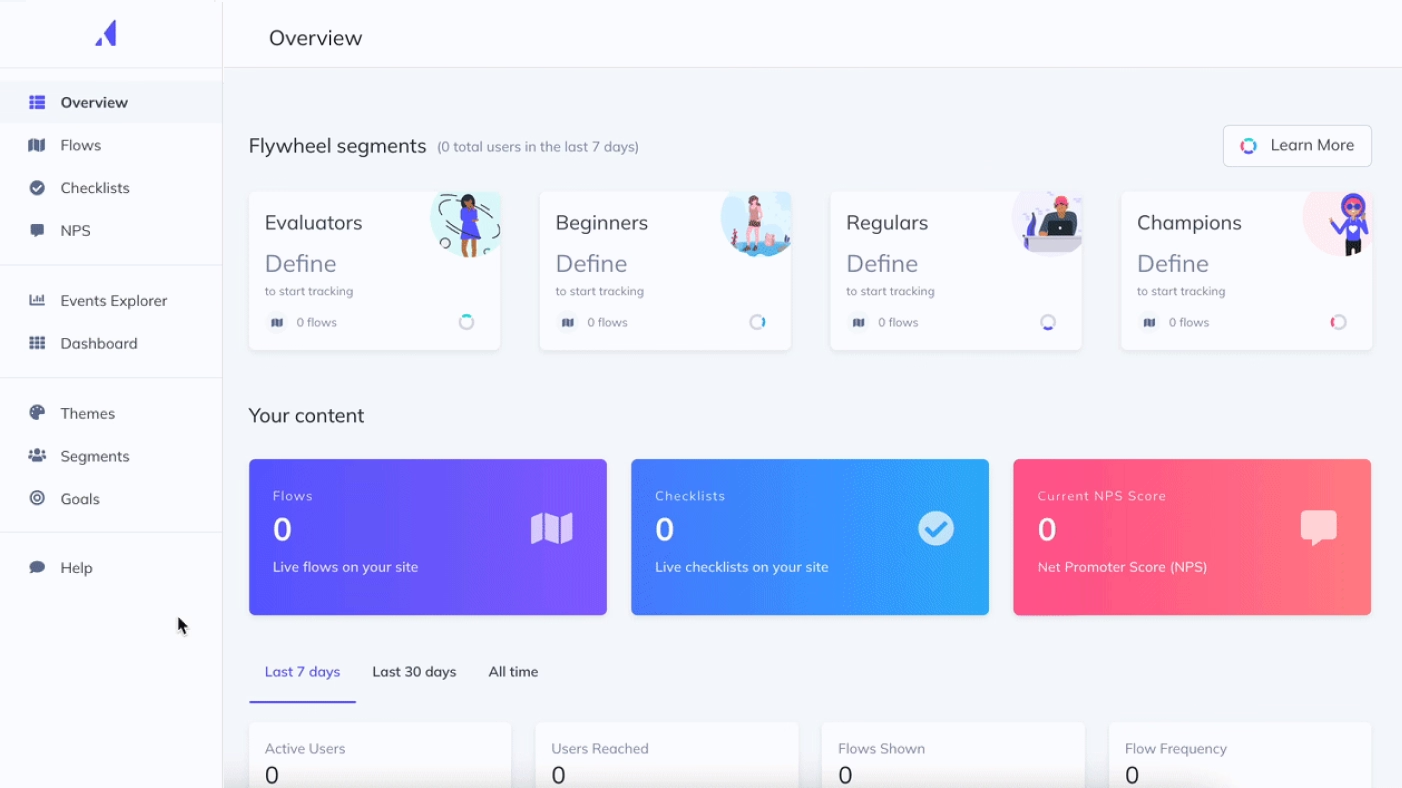
Appcues focuses on in-app onboarding and feature adoption. It helps SaaS companies guide users through product features with personalized walkthroughs, tooltips, and announcements. This turns complex products into easier experiences, reducing churn.
The main strength is its no-code setup. Marketers can design in-app flows without developer support. The trade-off is that it works best for onboarding and engagement, not broader campaign management.
Pendo
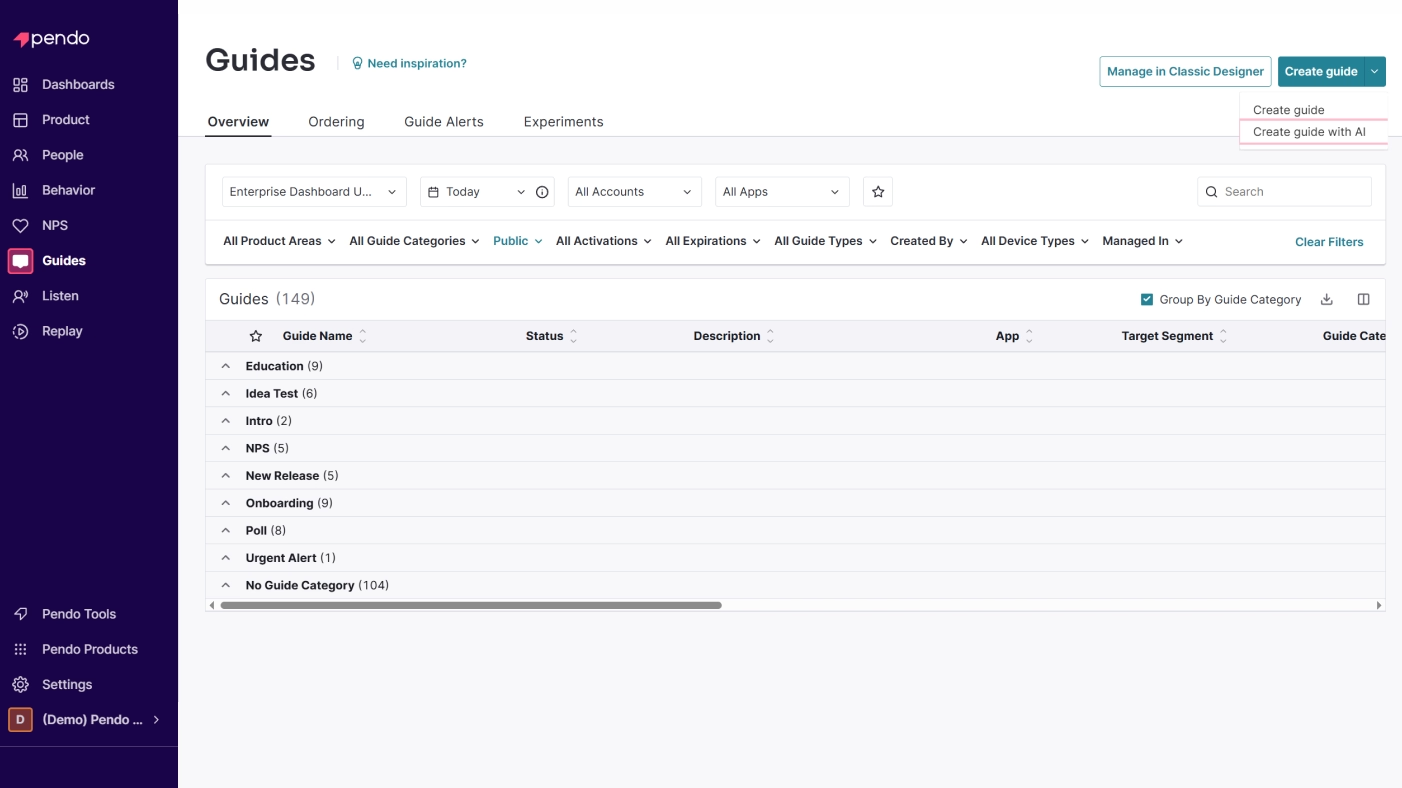
Pendo blends in-app guidance with deep analytics. It tracks how users interact with your product and lets you personalize their journey with targeted messages or guides.
The big advantage is its insight into product usage, helping SaaS teams prioritize features and improve UX. However, it can feel heavy to implement if you don't have dedicated resources.
Customer.io
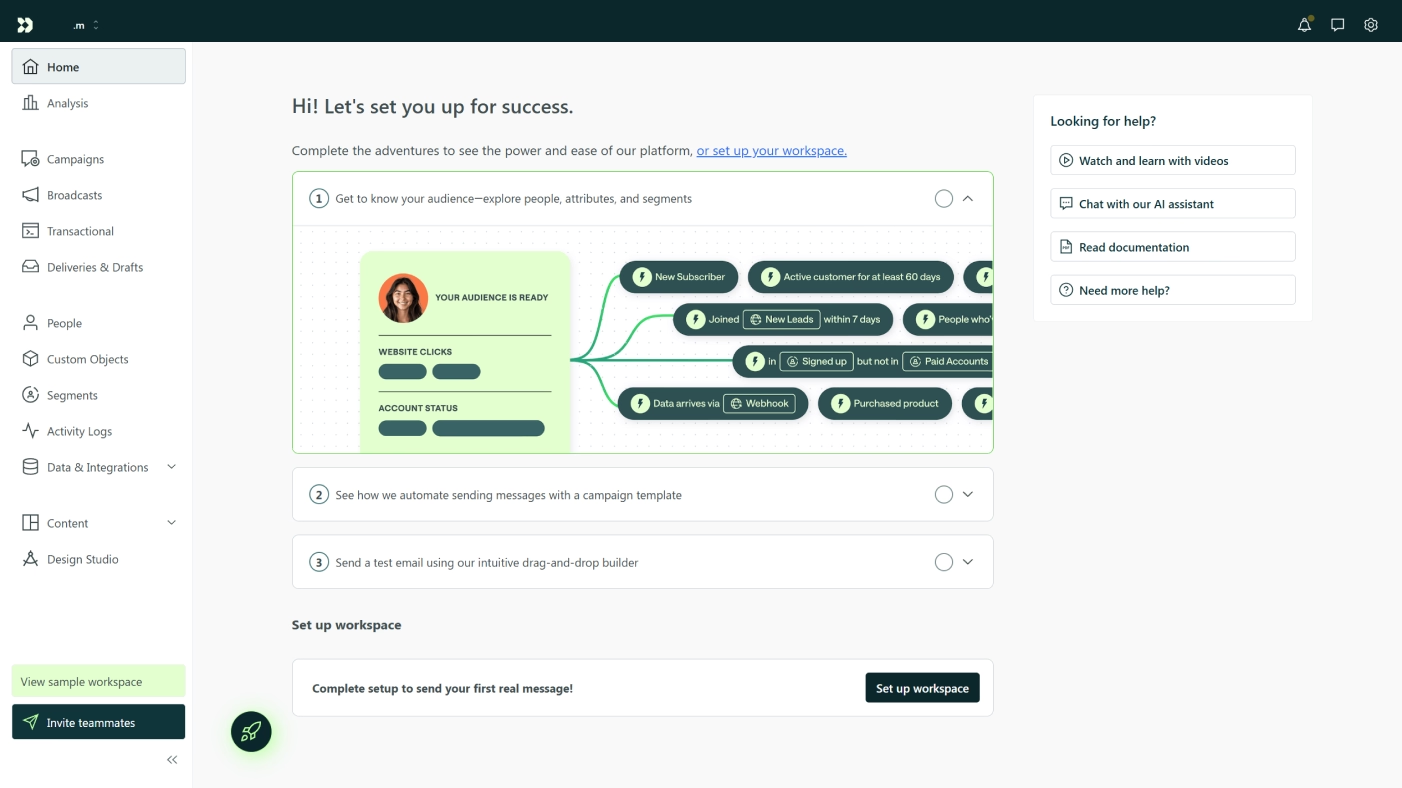
Customer.io is built for behavioral messaging. It helps you send personalized emails, push notifications, or SMS based on what users are doing inside your app.
Its biggest strength is flexibility. You can build highly tailored campaigns around user behavior. But with that flexibility, smaller teams may find the setup a bit overwhelming.
LaunchNotes
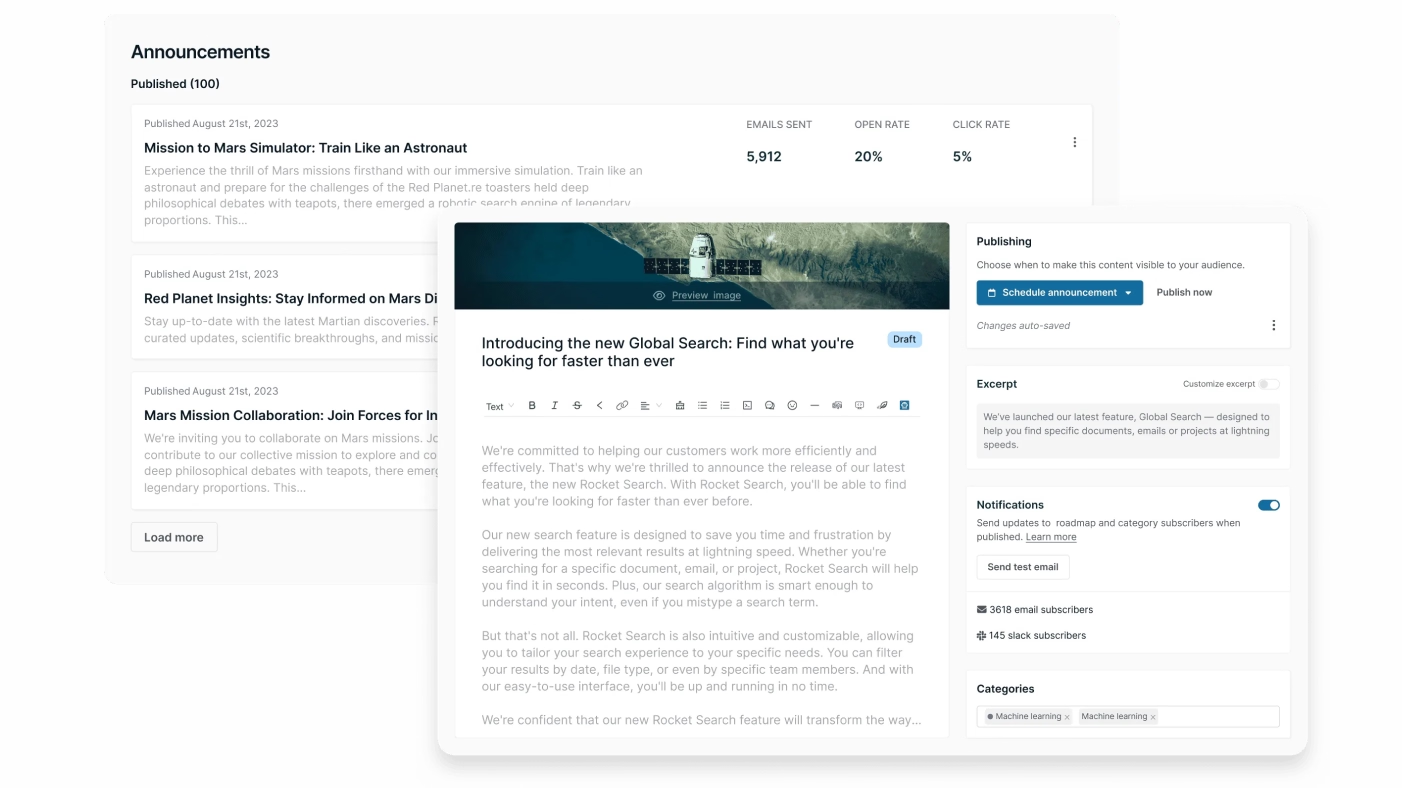
LaunchNotes is all about product updates and release communication. It makes it easy to share what's new with customers in a way that's clear and engaging, instead of buried in technical changelogs.
The platform shines when it comes to keeping users in the loop and excited about product progress. Its limitation is that it's more specialized. That's great for release comms, but not a full marketing suite.
Mixpanel
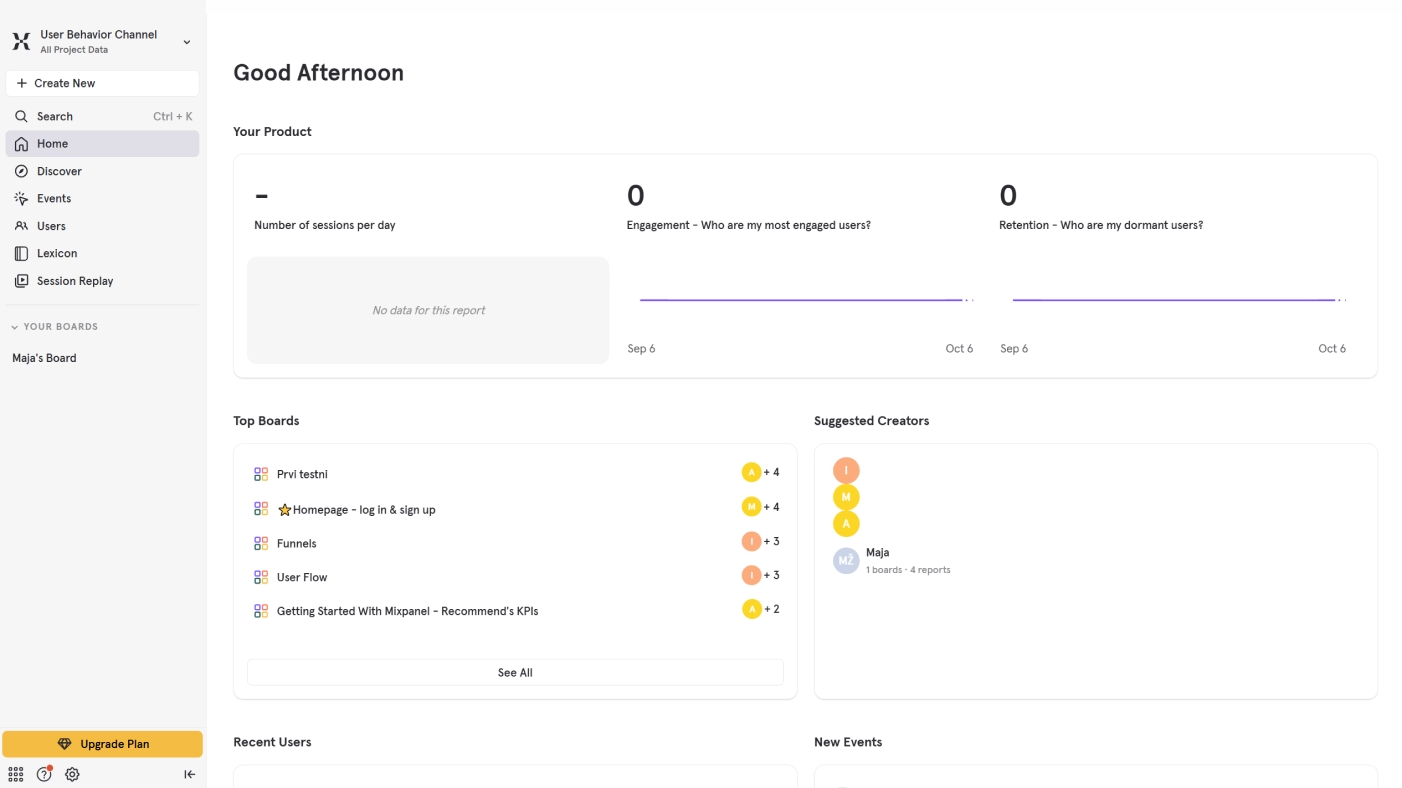
Mixpanel gives SaaS teams powerful product analytics. It tracks user behavior across apps, so you can see which features drive engagement and where users drop off.
Its advantage is the depth of data. You can make smarter decisions based on how real customers interact with your product. On the flip side, it takes some practice (and data discipline) to get the most out of it.
How to Choose the Right Tool for Your Business
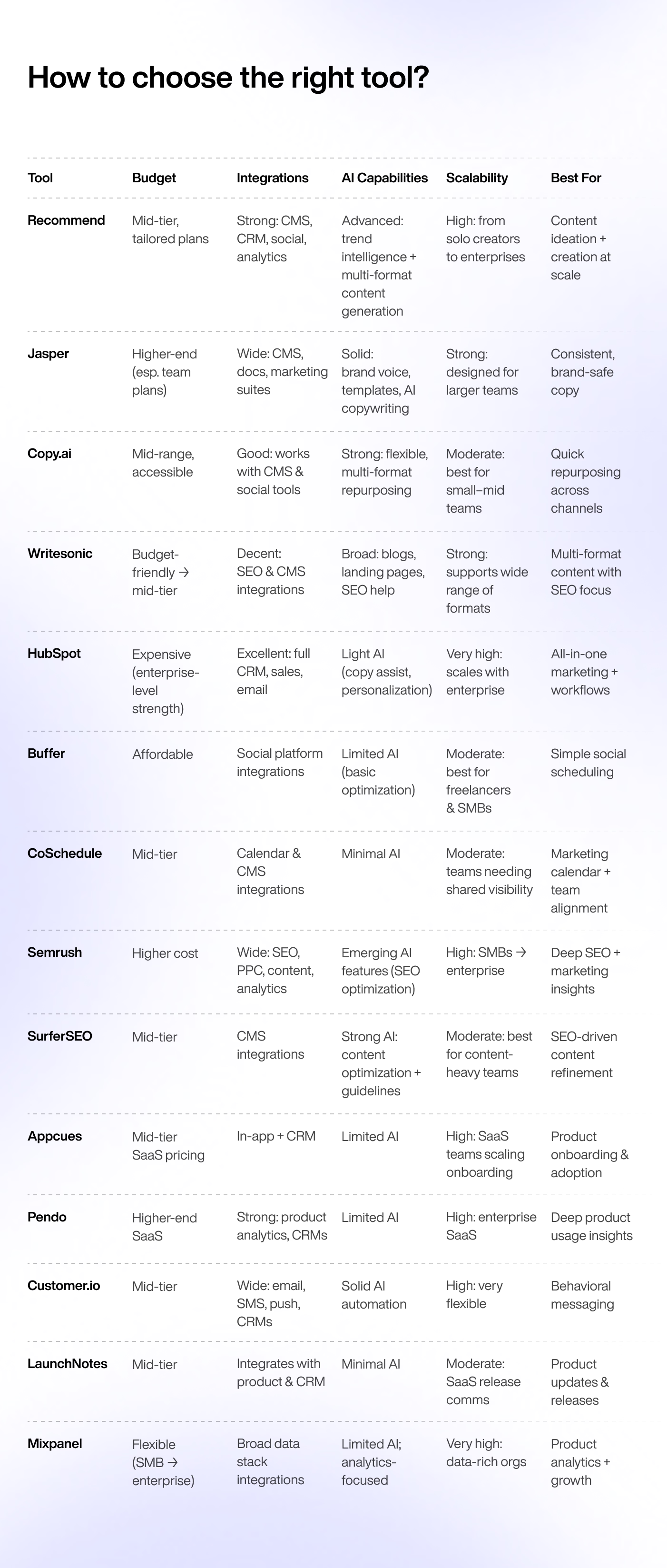
With so many options, choosing the tool that fits you best can be a bit tricky. Even a recent MarTech survey found nearly half of marketers replaced at least one tool last year because it didn't align with their needs. The right choice depends less on flashy features and more on how well the platform lines up with your goals, budget, and the way you already work.
Here are the main criteria to keep in mind when comparing tools:
budget: pricing ranges from free or lightweight plans for small teams to enterprise-level suites
integrations: a tool is only as strong as how well it connects with the rest of your stack (CMS, CRM, analytics, email, etc.)
AI capabilities: some platforms offer only light automation, while others embed advanced AI for research, personalization, and optimization; the more you rely on content velocity, the more AI matters
scalability: what works for a two-person team might not work for a 20-person one; look at how the tool adapts as your content demands and team size grow.
Recommend: Your AI-Powered Content Marketing Automation Tool
Most tools help you create content. As we've already mentioned, Recommend goes a step further by showing you what to create and why before you even open a blank page. By combining real-time cultural signals with ready-to-use templates, it turns trend intelligence into audience-focused content at scale.
Here's what makes Recommend stand out.
Scalable AI content creation: from quick social posts to in-depth articles and video scripts, Recommend adapts to the size and speed your team needs.
Audience-tailored outputs: every piece of content is built on real conversations and data, so it resonates instead of sounding generic.
Efficient for any team size: whether you're a small business or a global enterprise, Studio helps you move from trend detection to execution without wasted time.
Conclusion
Content marketing automation tools are no longer a nice-to-have, but essential for staying competitive. They save time, cut costs, and give teams the consistency they need to scale campaigns across multiple channels. Whether it's AI-powered content creation, smarter scheduling, or in-depth analytics, automation lets marketers focus less on manual busywork and more on strategy and creativity.
Looking ahead, AI will only push this further. From predictive insights to hyper-personalized campaigns, the future of marketing belongs to teams that blend automation with human creativity. The brands that get this balance right will be the ones leading conversations instead of chasing them.
If you're ready to scale smarter and faster, try Recommend today. It's built to help you turn cultural signals into high-performing content, so you can create less noise and more impact.