What is Content Automation? The Future of Scalable Content Creation
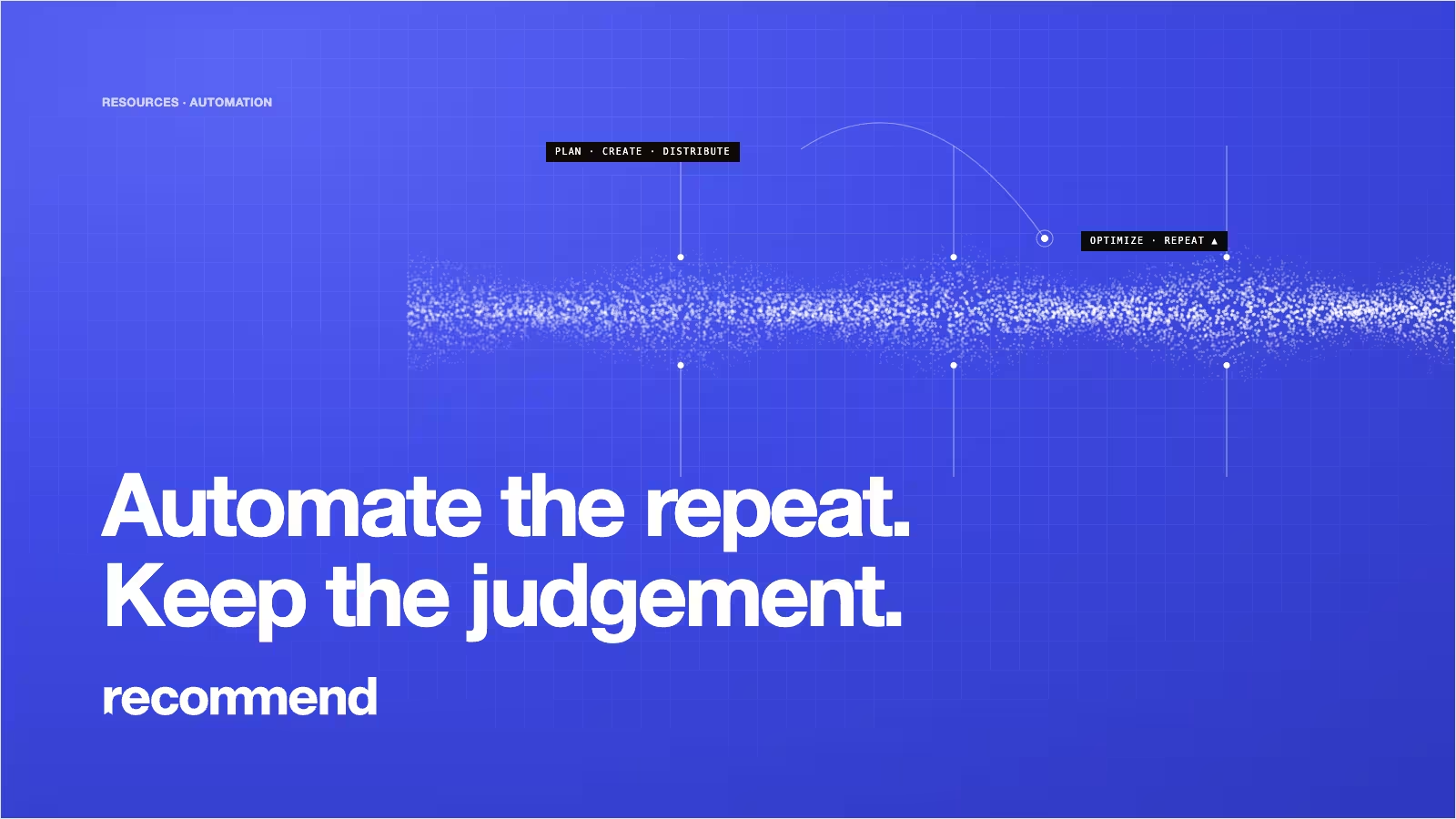
Content automation is the process of using technology to plan, create, and distribute content more efficiently, without losing quality or consistency.
The demand for digital content keeps growing. With blogs, emails, product pages, social updates, and other forms, audiences expect a steady stream of fresh material. Most teams can't keep up through manual work alone, and content automation helps bridge that gap.
But what is content automation, anyway?
Content automation is the process of using technology to plan, create, and distribute content more efficiently, without losing quality or consistency. With AI now driving much of this shift, automation is no longer just about working faster. Tools like Recommend Studio make it possible to deliver personalized, data-driven content at scale, something every business will need to stay competitive.
Understanding Content Automation
What is Content Automation?
When people ask what is content automation, they're usually looking for clarity on how technology can replace or reduce repetitive parts of the content process.
At its core, content automation means using software to handle tasks like generating text, publishing posts, or repurposing material across channels. Instead of manually writing every product description or scheduling every social post, businesses can automate the work while keeping brand voice and quality consistent.
Key Components of Content Automation
As you can tell, content automation isn't a single tool. It's a set of capabilities that work together.
Planning: mapping out topics, keywords, and formats based on audience insights.
Creation: producing drafts, assets, or entire pieces of content automatically.
Distribution: publishing content across multiple platforms, from blogs to email.
Optimization: using performance data to adjust content for better reach and impact.
Traditional vs. AI-Powered Automation
The way businesses automate content has changed dramatically in recent years.
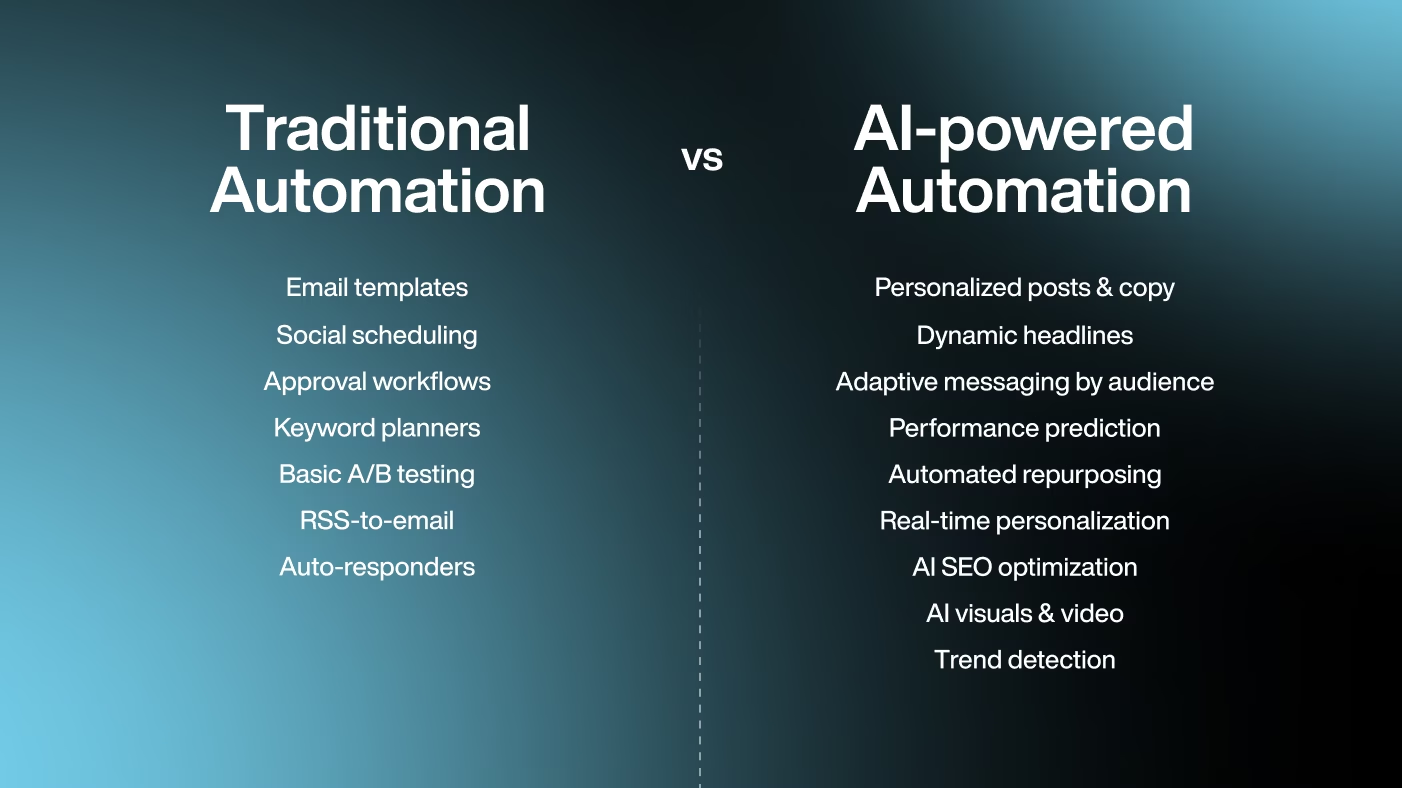
Earlier versions of content automation focused on efficiency: templates for emails, scheduling platforms for social, or workflow tools for approvals. These were helpful, but limited to repetitive admin tasks.
AI-powered automation goes further. With machine learning and natural language generation, tools can now create personalized blog posts, adjust messaging for different segments, and even predict what content will perform best. Instead of just doing things faster, AI makes it possible to do them smarter.
Benefits of Content Automation for Businesses
As we've already mentioned, for most teams, creating content feels like a constant race. There's always another blog post, email, or update waiting to be written. Content automation helps take the pressure off. It frees up time, keeps messaging consistent, and makes it easier to deliver the kind of personalized experiences customers expect.
Core Benefits
Content automation delivers a wide range of advantages for businesses of all sizes. By reducing repetitive work and making processes smarter, it enables teams to focus on higher-value activities while maintaining consistency and scale.
Key benefits include:
Saving time and resources. Automation removes the need for teams to spend hours on repetitive work, from drafting product descriptions to scheduling campaigns. For example, producing a typical blog post takes hours, and formats keep expanding, so it's no wonder teams feel the squeeze.
Consistency in brand messaging. Content automation ensures every email, blog, or social update reflects the same voice and standards. This reduces the risk of off-brand messaging and strengthens recognition.
Data-driven optimization. Automated systems don't just publish – they also track performance. With built-in analytics, businesses can refine their approach in real time, improving engagement and ROI.
Scale content without scaling team size. Instead of hiring more writers or coordinators, companies can use automation to multiply output while keeping headcount steady.
Improved customer experience through personalization. AI-powered automation adapts messages to fit different audiences, delivering content that feels tailored to individual needs and behaviors.
Why Businesses Need Content Automation
In today's market, speed and scale are non-negotiable. Customers expect personalized, relevant content across multiple touchpoints, and manual production can't keep pace. This is why businesses need content automation: it helps them stay competitive, operate more efficiently, and meet growing demand without ballooning costs.
Companies that adopt automation see measurable gains in productivity, stronger customer relationships, and a sharper competitive edge, all of which directly impact growth and long-term ROI.
Content Marketing Automation vs. Content Automation
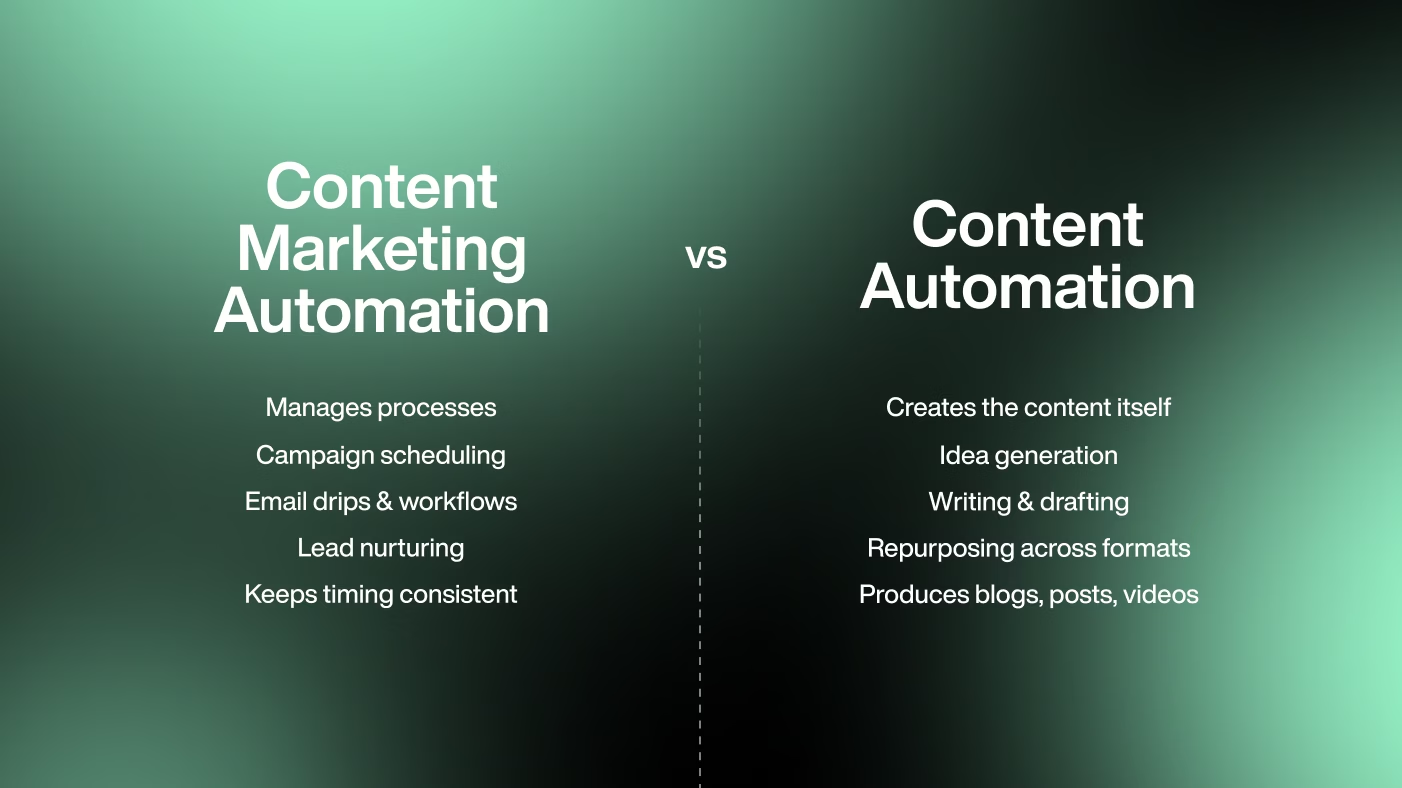
These two terms often get mixed up, but they don't mean the same thing. Understanding the difference matters because businesses need to know whether they're looking for tools to manage campaigns or tools to actually create content.
What is Content Marketing Automation?
Content marketing automation is about managing the process around content, not the content itself. Think workflows, campaign scheduling, email drips, and lead nurturing. These tools keep marketing consistent and on time, helping teams deliver the right message to the right audience at the right moment.
What is Content Automation?
As already explained, content automation focuses on the content itself. It covers ideations, writing, and repurposing - the parts of the process that actually produce words, images, or videos.
Key Differences & Why It Matters
The two terms sound similar, but they solve different problems. Content marketing automation is about how content gets delivered. Content automation is about what gets created. Both are valuable, and together they can transform a marketing strategy.
Businesses that combine the two can plan, produce, and distribute content more effectively, without sacrificing quality or speed.
How AI Powers Content Automation
AI has transformed content automation from a time-saving tool into a growth driver. Instead of just publishing faster, businesses can now create smarter by generating ideas, tailoring messages, or even predicting how campaigns will perform – and all that at scale.
AI's Role in Content Creation
AI supports every stage of the content process, from idea generation to full AI content creation.
Ideation: analyzing trends and audience data to suggest topics that are fresh and relevant.
Drafting: producing first versions of blogs, emails, or product descriptions that teams can refine.
Editing: checking grammar, tone, and structure to keep messaging sharp and on-brand.
Personalization: adjusting content to fit different audiences, segments, or even individuals in real time. Recent surveys show marketers use AI for far more than text, from generating images and video to enhancing campaign personalization.
Challenges & Limitations of AI
You have to bear in mind, though, that AI isn't flawless. That's why the automation should be approached with balance.
Potential bias: algorithms reflect the data they're trained on. That can introduce bias into content.
Quality control concerns: AI-generated drafts need human review to ensure accuracy and nuance.
Risks of over-automation: relying too heavily on AI can lead to generic, impersonal content.
Real-World Applications
Companies across industries are already using AI-driven automation to:
Scale product descriptions for e-commerce.
Personalize email campaigns based on customer behavior.
Generate blog drafts and social posts aligned with trending topics
Platforms like Recommend make this practical by going beyond simple automation.
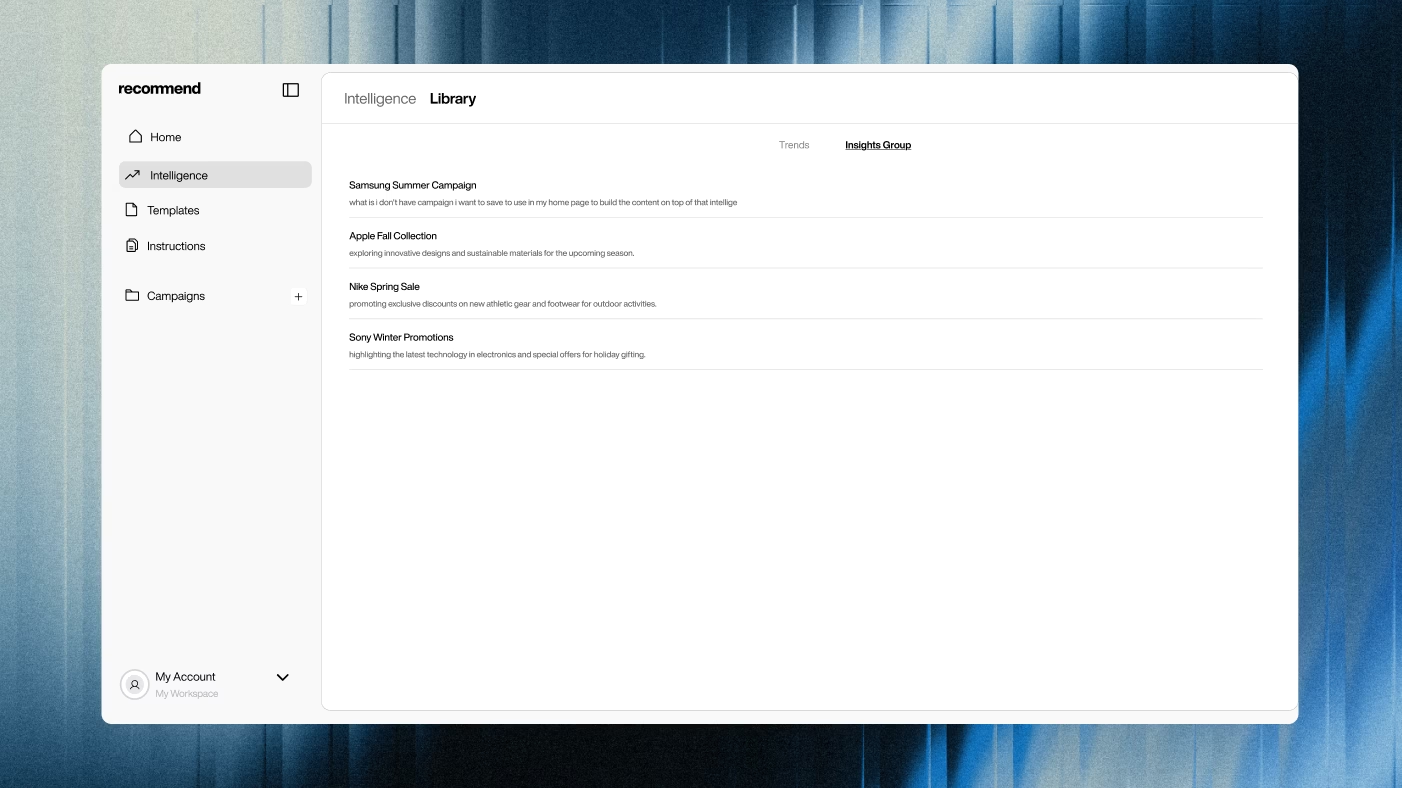
Recommend Studio does so by pulling from real-time cultural signals, online conversations, and trusted publications to show what your audience cares about right now. With built-in templates for everything from social posts to video scripts, it helps you turn those insights into content that resonates and performs.
What is Content Automation with AI?
Content automation with AI refers to using artificial intelligence not just to manage content workflows, but to generate and refine the content itself. It's the difference between scheduling a post and having the post written, tailored, and optimized by technology. For businesses, this means faster production, sharper personalization, and better performance across every channel.
Best Practices for Implementing Content Automation
Automation works best when you ease it into your process. Trying to automate everything at once can feel overwhelming, and sometimes it can backfire. Here are a few simple ways to get started the right way.
Start with Repetitive Tasks
Look for the jobs your team dreads doing over and over again. Formatting blog posts, drafting product descriptions, scheduling updates across channels – these are perfect places to let automation take over.
Choose the Right Tools
The tool you pick makes all the difference. It should actually fit the way your team works, not add more steps. Platforms like Recommend use AI to do more than just speed things up. They help with getting relevant content ideas, creating first drafts, tailoring style regarding audiences and channels… That's the kind of automation that actually sticks.
Scale Gradually
You don't have to flip a switch and automate everything on day one. Start small, see the results, and add more as it makes sense. This way, the team stays comfortable with the changes, and you can clearly measure the impact.
Balance Automation with Human Creativity
Automation is powerful, but it's not a replacement for people. The best content still comes from human ideas, creativity, and judgment. Use automation to handle the heavy lifting, and keep your team focused on the parts that need a personal touch.
Why Choose Recommend for Content Automation?
There's no shortage of tools that promise to make content easier, but most stop at efficiency. They help you work faster without helping you work smarter. Recommend takes a different approach, combining automation with intelligence so every piece of content is rooted in what your audience actually cares about. To see how it compares, check out our roundup of the best AI marketing tools.
Key Advantages
As you can tell, Recommend isn't just another automation tool. It's designed to be fast, scalable, and flexible enough to fit different needs, from solo creators to enterprise teams. With Recommend, you're not just producing more content. You're producing the right content that makes an impact.
Credibility & Trust
What sets Recommend Studio apart is its intelligence-driven approach. Instead of starting with a blank page or a generic brief, it pulls from real-time cultural signals, online conversations, and leading publications to highlight what your audience cares about right now. That insight becomes the foundation for execution.
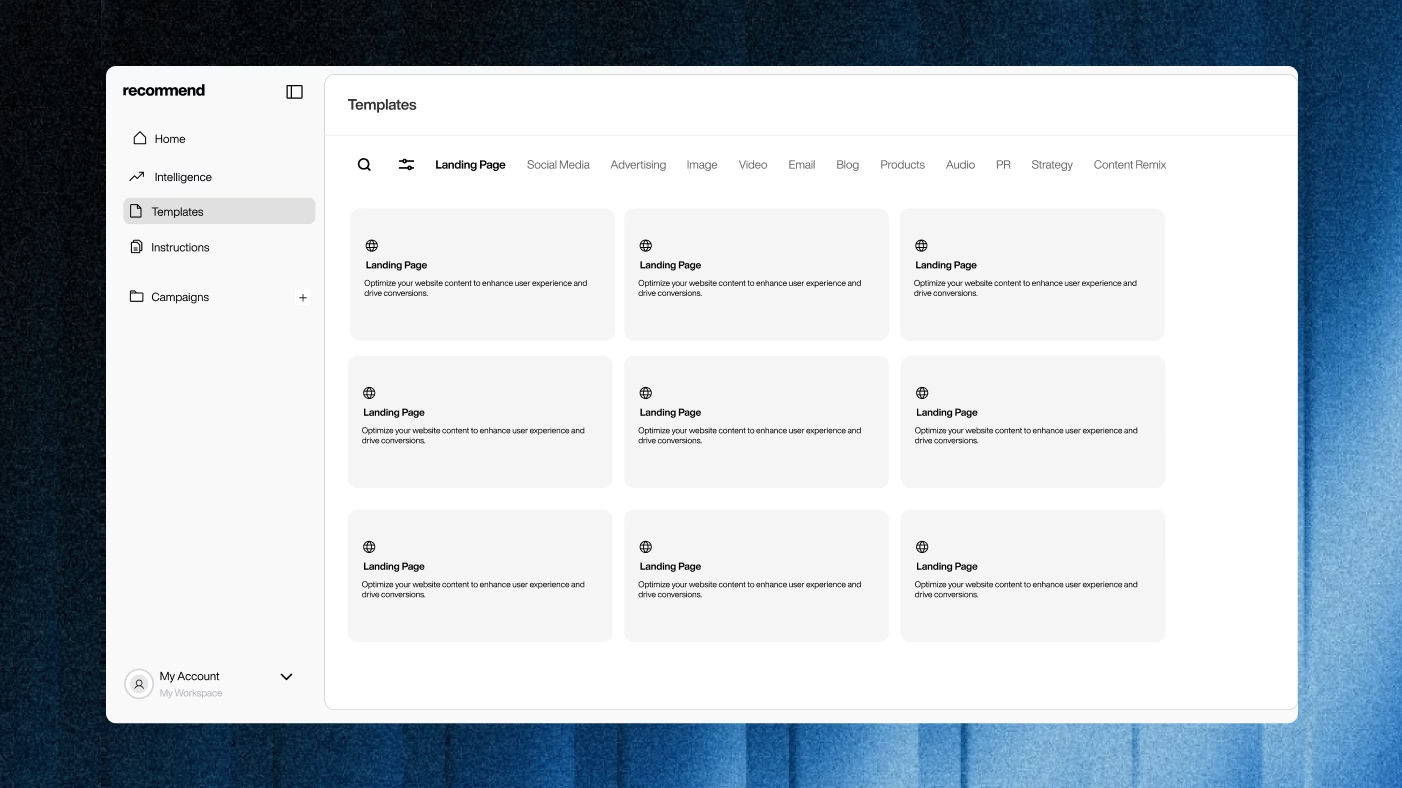
With ready-to-use templates across formats – social posts, landing pages, ads, articles, even video scripts – teams can turn those insights into high-quality content in minutes. Whether you're working solo, in a brand team, or at a global agency, Studio helps you move seamlessly from detecting trends to launching campaigns.
The result isn't just more content. It's content that resonates, performs, and keeps your brand ahead of the conversation. That's why Recommend is trusted by businesses of all sizes – it combines advanced AI with practical workflows that make sense in the real world.
Future Trends in Content Automation
Content automation isn't standing still. As AI grows more sophisticated, the way businesses plan, create, and share content will continue to change. Here are some of the shifts already on the horizon.
Predictive Content Creation
Tomorrow's automation won't just help create content – it will anticipate what audiences want before they ask for it. By analyzing patterns in behavior and engagement, AI will guide teams toward topics, formats, and messages most likely to succeed.
Multilingual & Multicultural Scaling
Reaching global audiences takes more than translation. Future tools will account for cultural nuance, tone, and context, helping brands sound authentic whether they're speaking to customers in Tokyo, São Paulo, or Berlin.
Integration with Other Marketing Technologies
Content automation will connect more deeply with the rest of the marketing stack. Imagine content that adapts automatically based on CRM data, campaign performance, or even live customer interactions, all working in sync.
The Next Wave of AI Evolution
The next frontier goes beyond text. Expect automation to expand into video, audio, and interactive formats, blending efficiency with creativity. As models advance, the line between "machine-made" and "human-made" content will blur, opening up new possibilities for engagement.
Conclusion
Content automation is no longer a nice-to-have. It's the key to scaling content without sacrificing quality or consistency. From saving time and resources to delivering more personalized customer experiences, the benefits are clear.
AI has taken automation even further, making it possible to create content that's smarter, faster, and more relevant. And with Recommend Studio, businesses of any size can turn real-time insights into high-quality campaigns in minutes.
If you're ready to streamline your process, stay ahead of trends, and create content that truly resonates, it's time to give Recommend a try.